Gateway Arch
Park 21 | May 2021
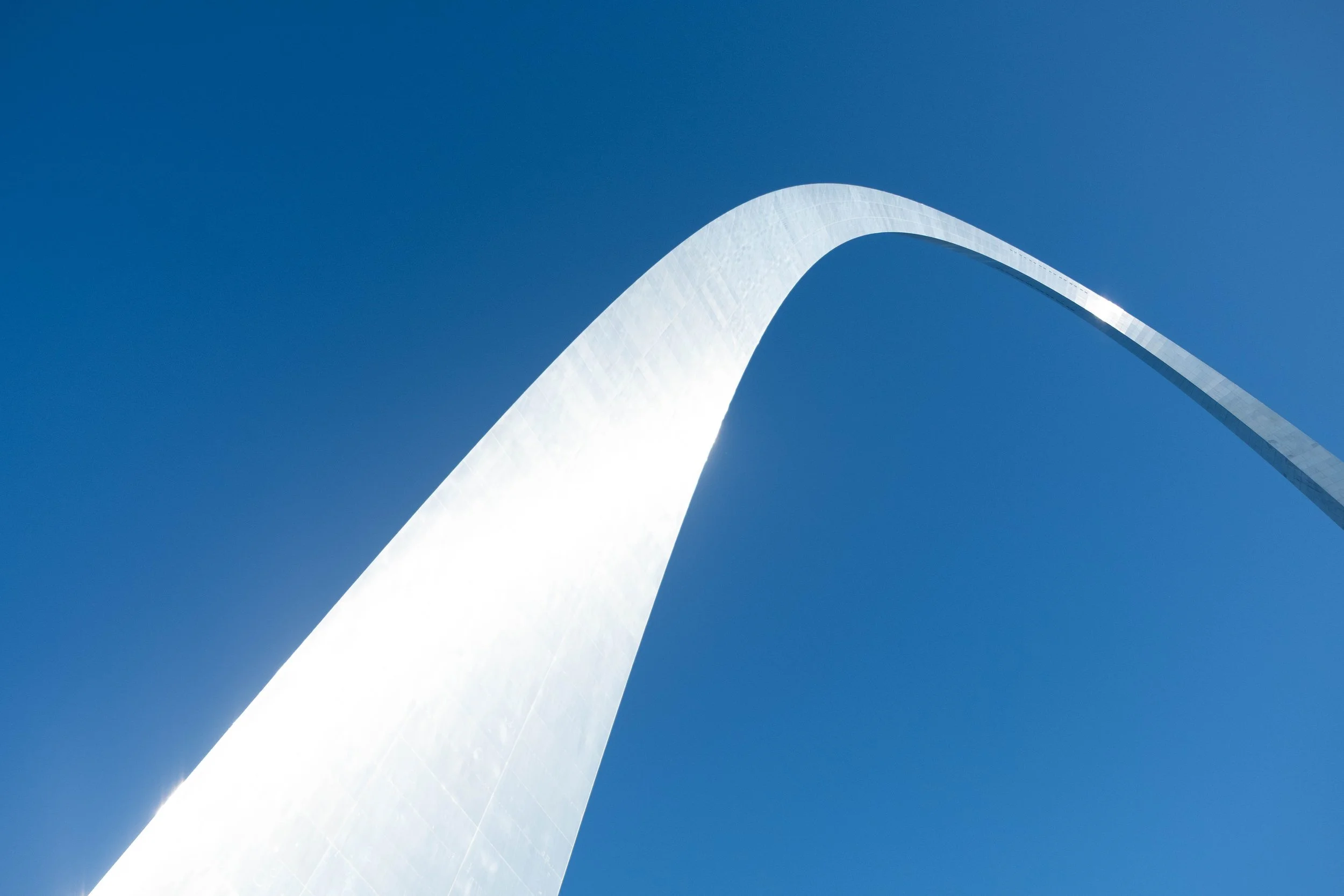
Of all the National Parks we’ve visited, trying to describe Gateway Arch is one of the most frustrating.
As I’ve said in other posts, every park in the National Park Service (NPS) system is on stolen land. Forced removals of Indigenous peoples and subsequent land theft through illegal settlement is the foundational story of the United States of America. This is something J & I strive to hold front and center not only for each National Park we may find ourselves in, but also for the neighborhoods we walk every day and the city and state we call home.
Alongside this history of violence and colonization, we also hold another tension when visiting the parks. These humanmade designations — national parks, monuments, refuges, memorials — are fundamentally rooted in injustice; and they hold the possibility of acting as a layer of protection for natural spaces in our country, shielding them from exploitation via drilling, mining, building infrastructure like roads and cities, and more. (To be clear, as of my writing this in late 2025, we have far too many examples of how this layer of protection is often thin and insufficient. Case study #1: See how we are blatantly ignoring the demands of the Gwich’in and Iñupiat people by opening the Arctic National Wildlife Refuge to oil and gas development.) However, earning a designation within the NPS can be a tool to preserve space for all kinds of diverse life forms in our country and to conserve plants and animals and rivers and other fragile ecosystems.
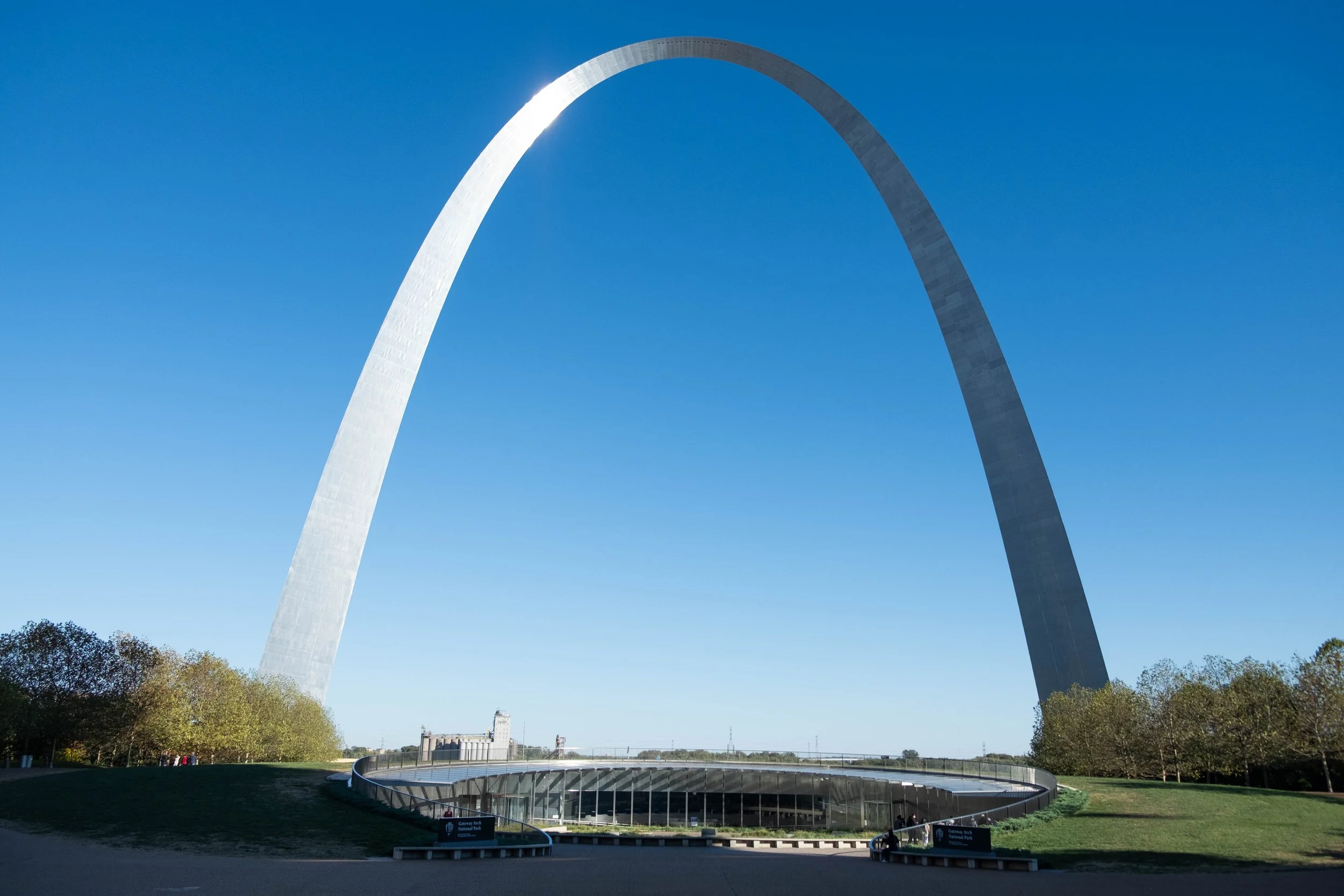
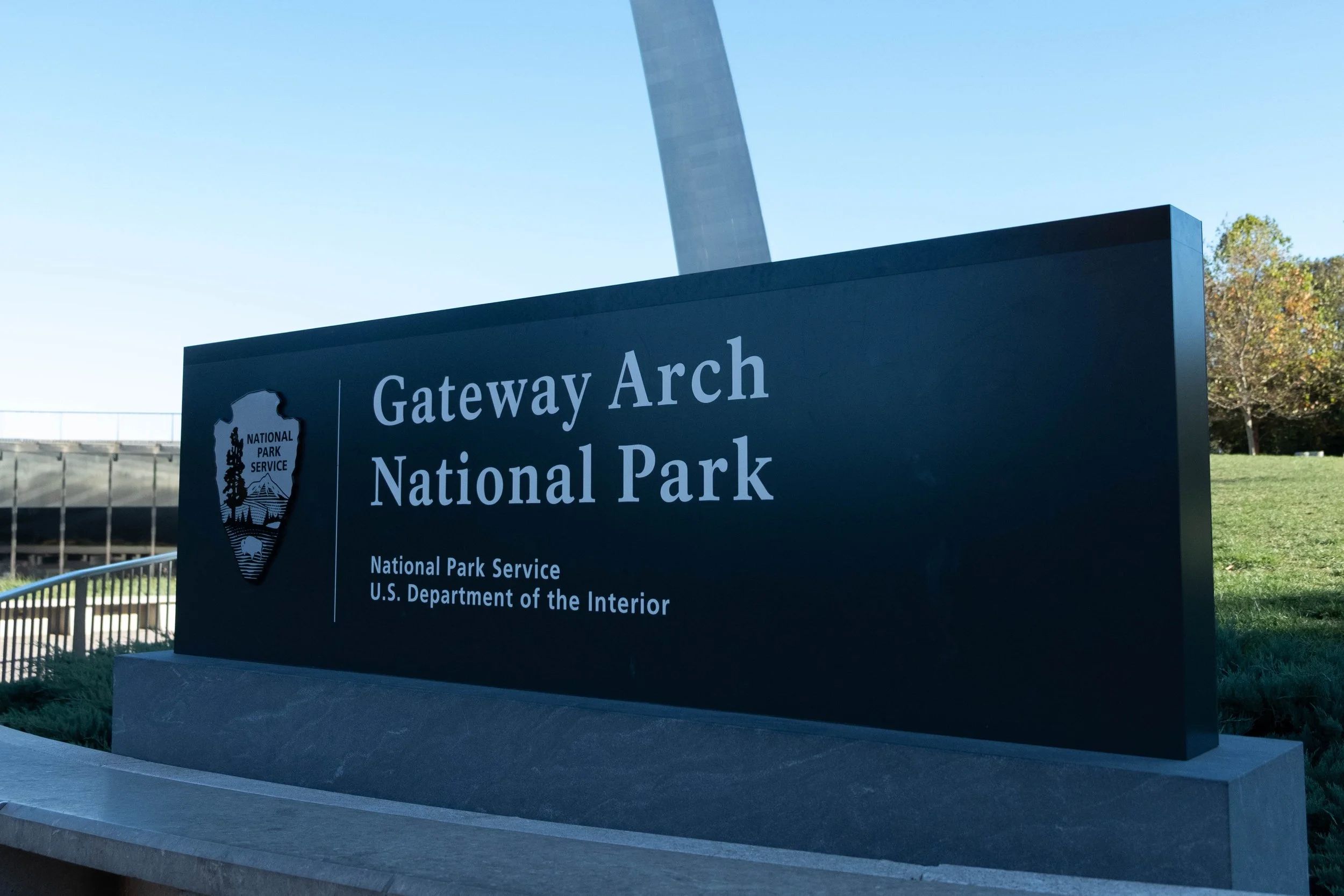
This is one of the many reasons why we found ourselves deeply frustrated when this steel edifice in St. Louis earned the esteemed status of “national park” in 2018. Not only is this 91-acre plot situated in the middle of a city, with scarce natural resources it can boast of protecting, it is quite literally a monument erected to celebrate westward expansion. “Westward expansion” is an intentionally innocuous phrase, but it is referring to the movement of mostly people of European descent into the American West that led to the very dehumanization, displacement, and killing of Native and Indigenous peoples of the Plains, the Southwest, the Mountain West, and the Pacific Northwest that I reference above. There is actually a section within the visitor center that tries (I’d say rather poorly) to explain the concept of Manifest Destiny in terms that children would understand. I suppose it’s better that the term and concept made it into the visitor center at all, rather than glossing over this reality, but it further highlights the problematic nature of this park to begin with.
As Bryan Stevenson of the Equal Justice Institute has persuasively demostrated for years, memorialization matters and it is critical that we in the US begin and continue to consider how to publicly honor people, events, and spaces deliberately, truthfully, and humbly. To me, Gateway Arch National Park is an example of memorializing a symbolic and literal gateway to extraordinary pain and injustice, particularly for Native and Indigenous peoples. Sanitizing it with romanticized tales of pioneers and the Oregon Trail are nothing but damaging to our country’s collective psyche and represents a setback to a more truthful engagement with the history of this land.
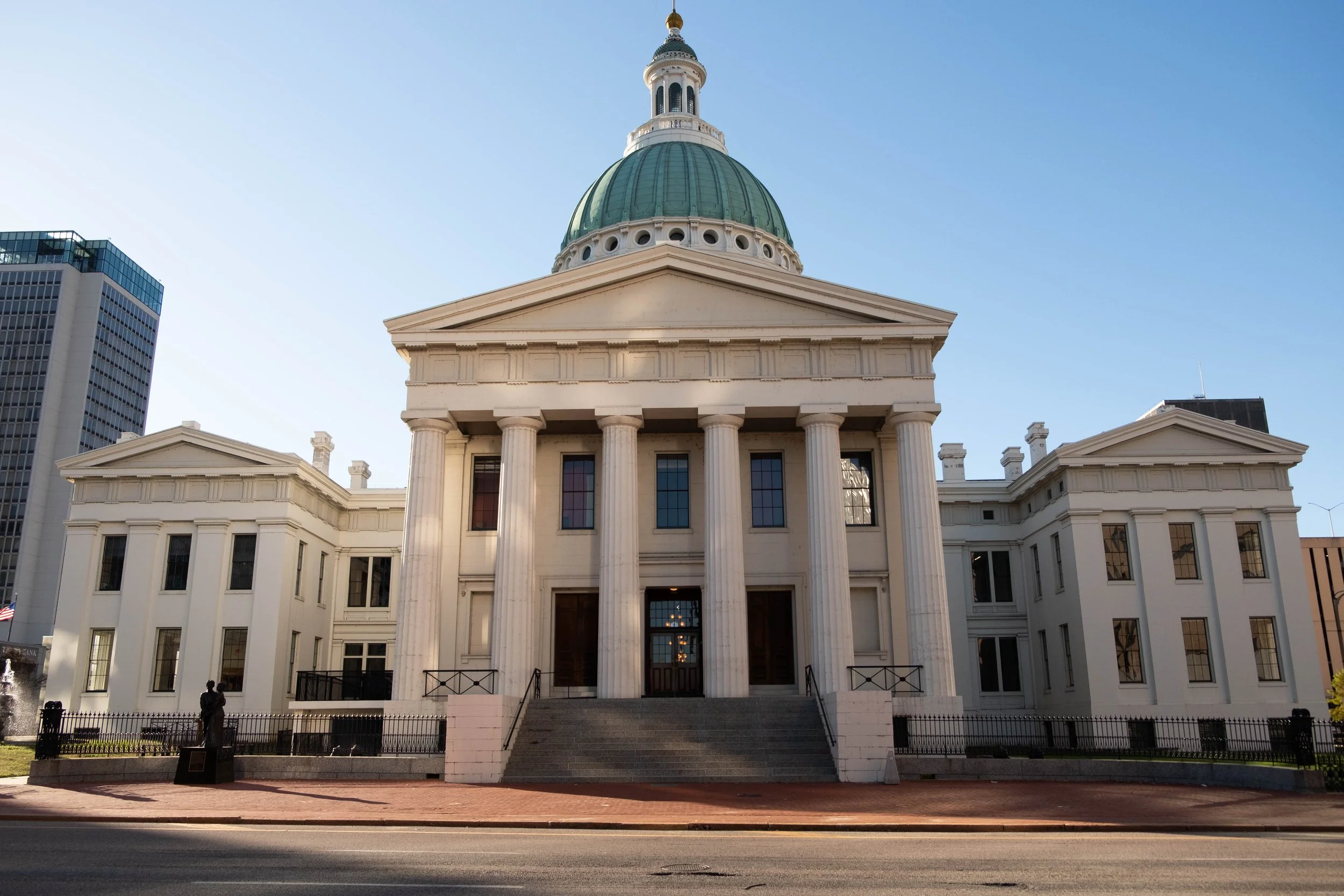
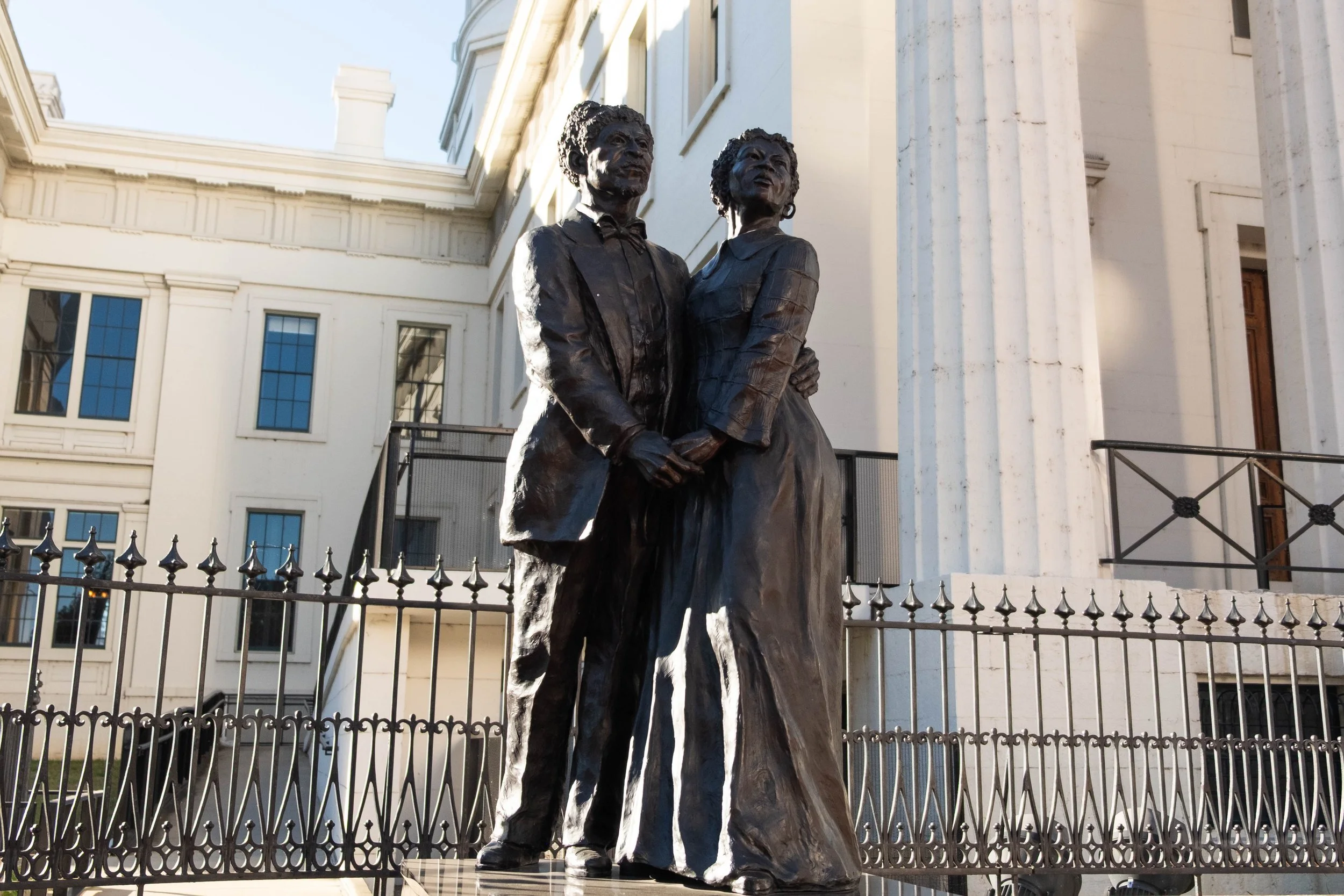
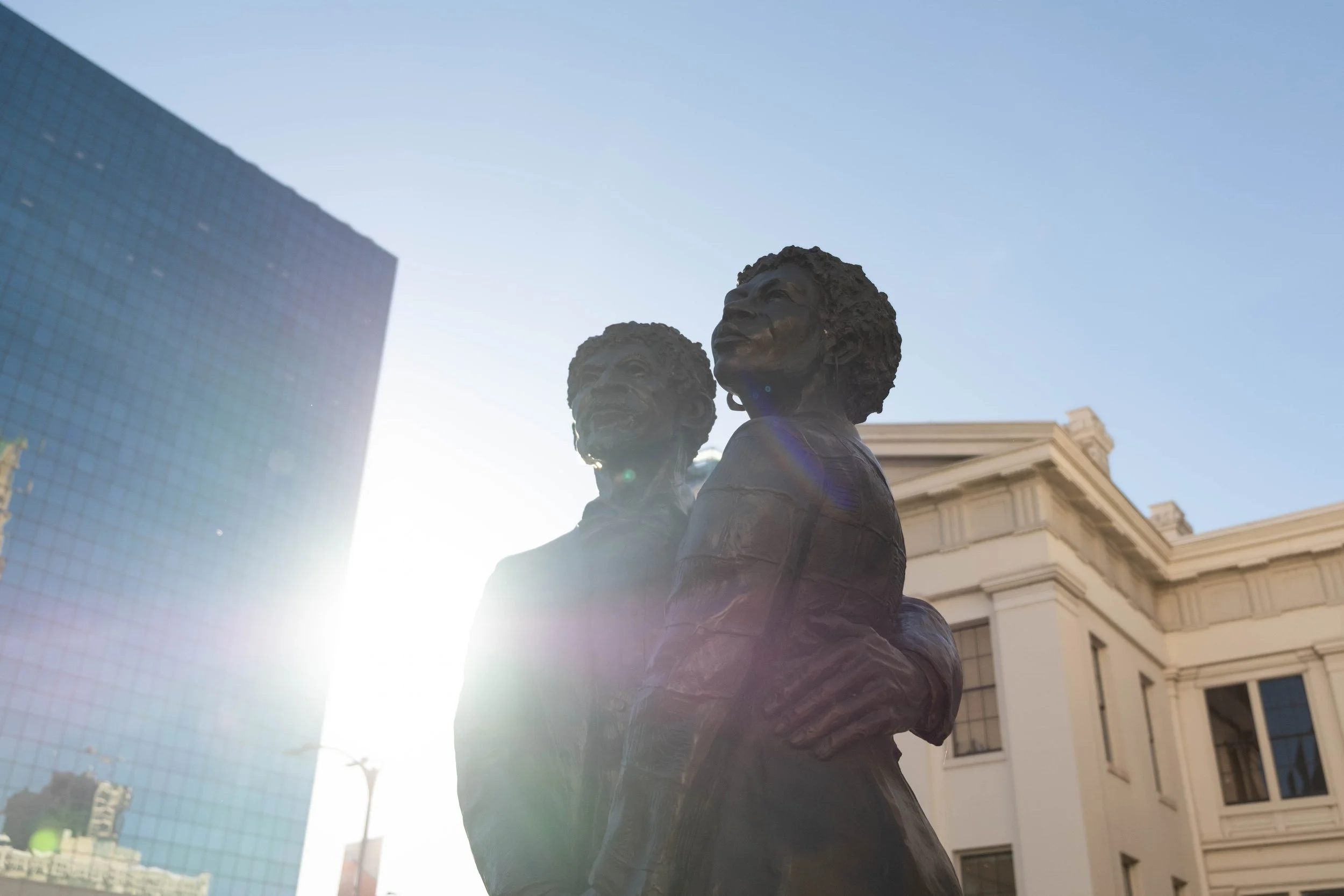
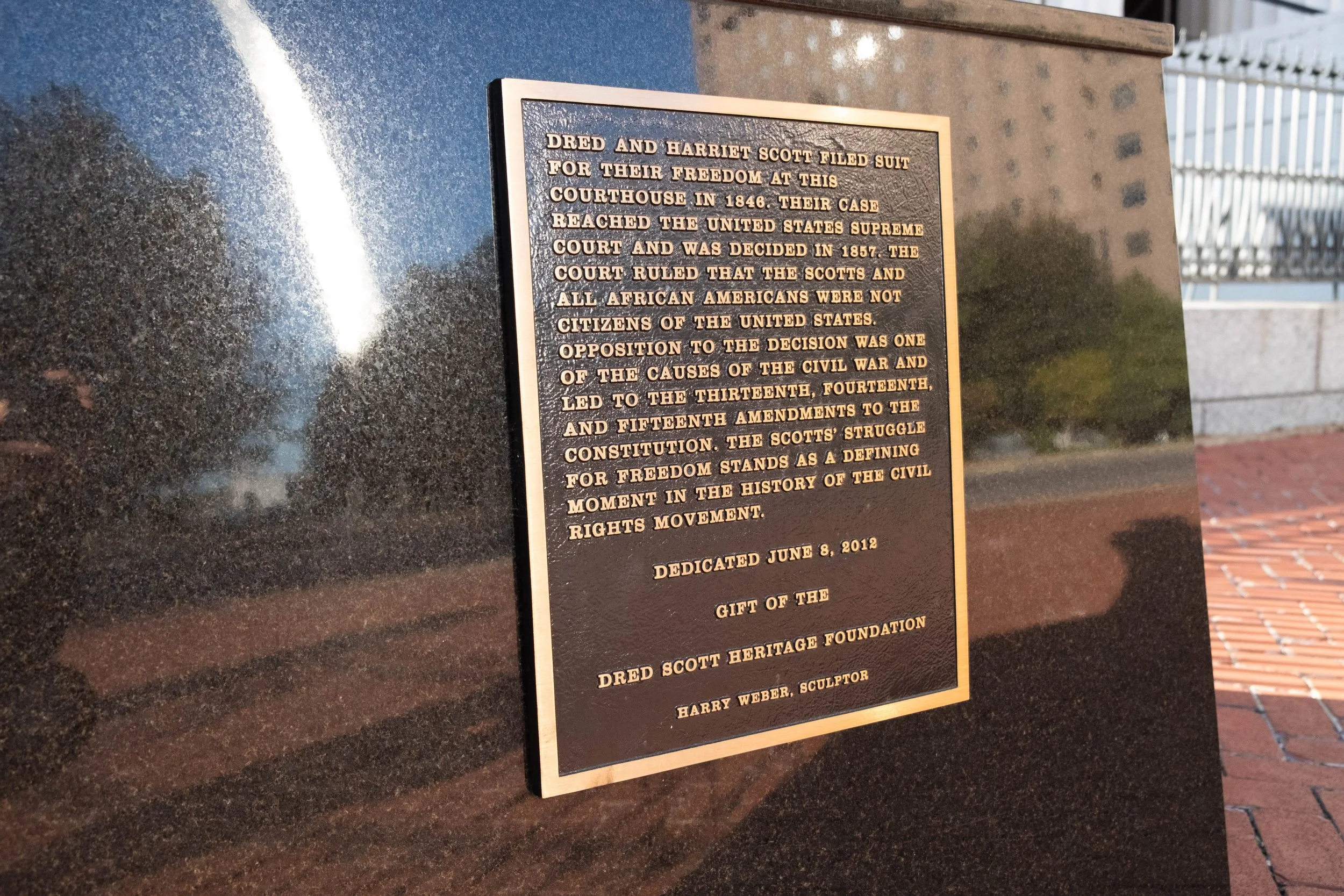
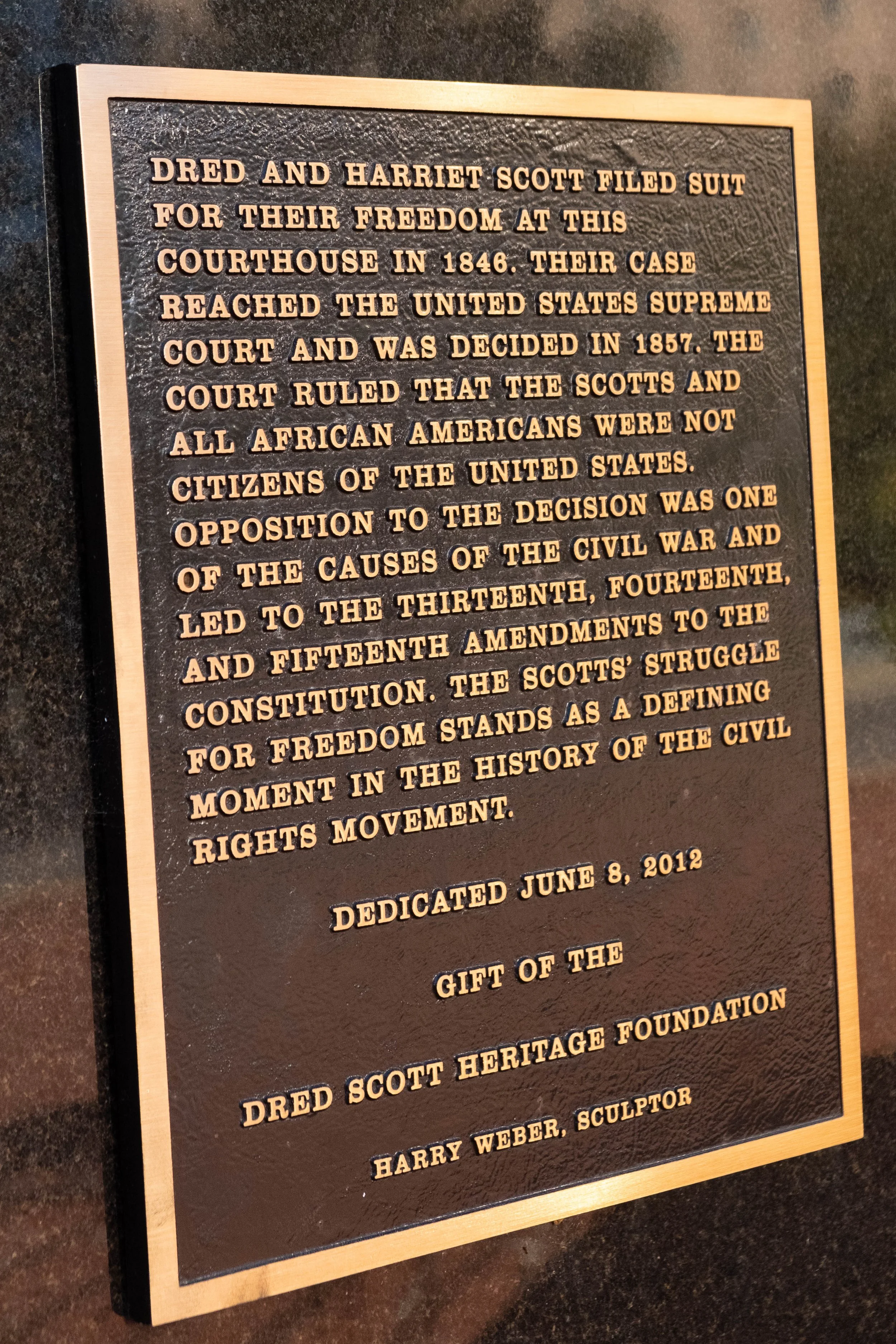
One point of redemption: We appreciated the inclusion of the Old Courthouse in the park. This historic building is where Dred and Harriet Scott filed suit for their freedom in 1846. This eventually led to the infamous Dred Scott decision from the US Supreme Court in 1857, which ruled that Black people could not become citizens of the United States. This decision is viewed as having significant impact in accelerating the country into the Civil War — and establishing enslavement, not states’ rights, as the central issue at hand in that conflict.
I don’t anticipate wanting to return to this park in the future, and I maintain my opposition to its inclusion with the other 62 national parks in the first place. But if nothing else, perhaps bestowing the designation “national park” on this place can stimulate more productive reflection for us all about what is worth memorializing, which stories we center and celebrate, and the myths and narratives that undergird the story of the United States.
Pictured below:
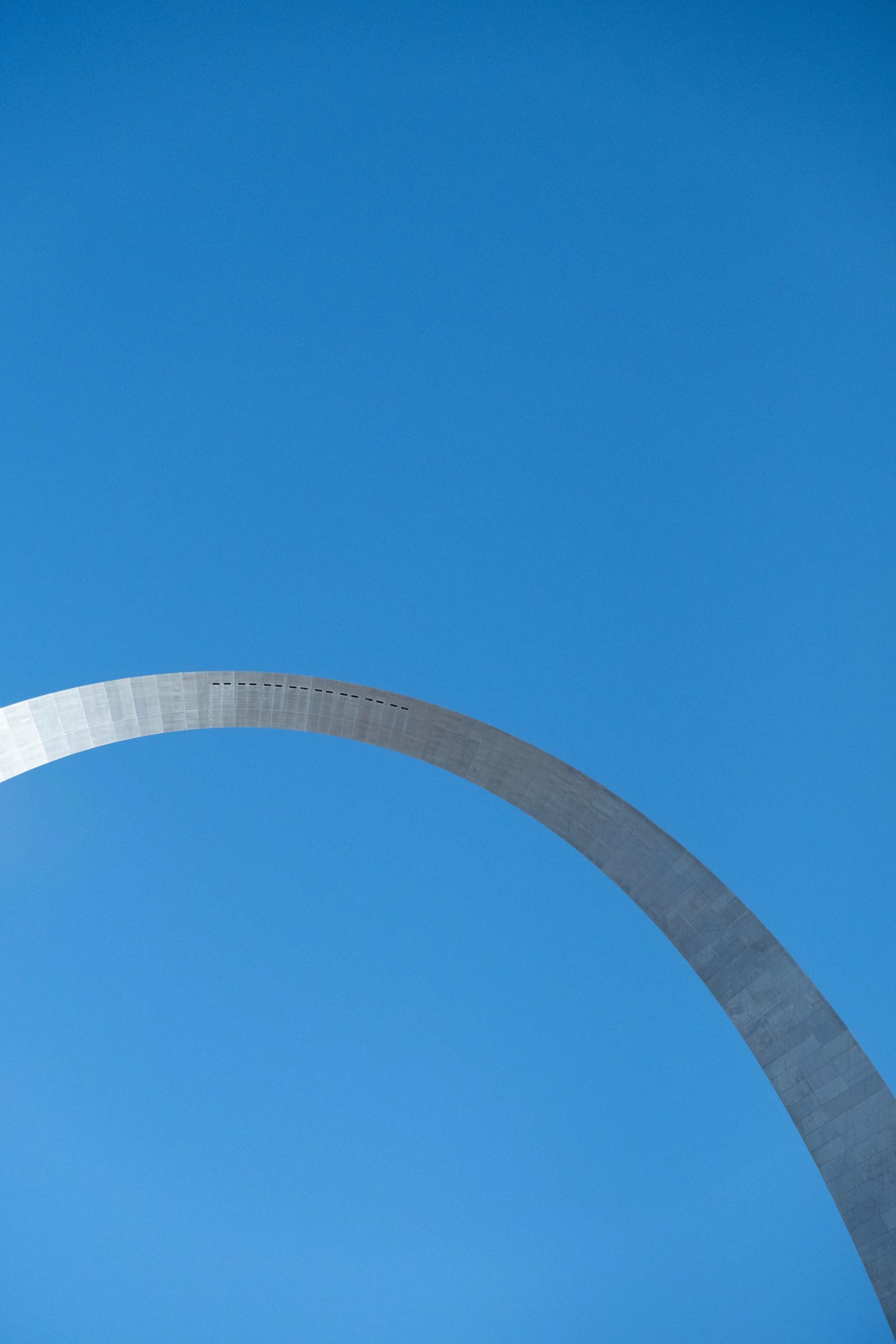
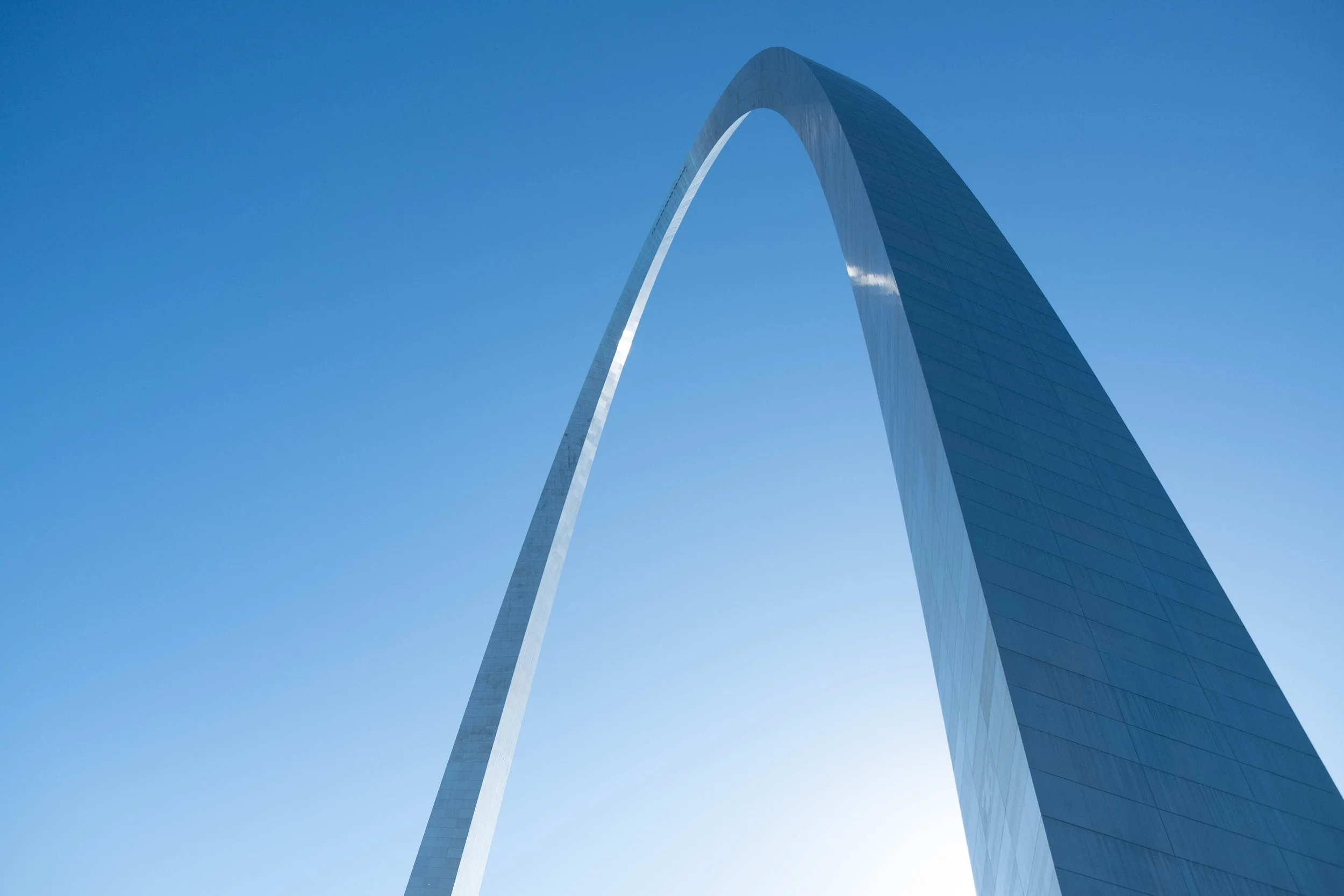
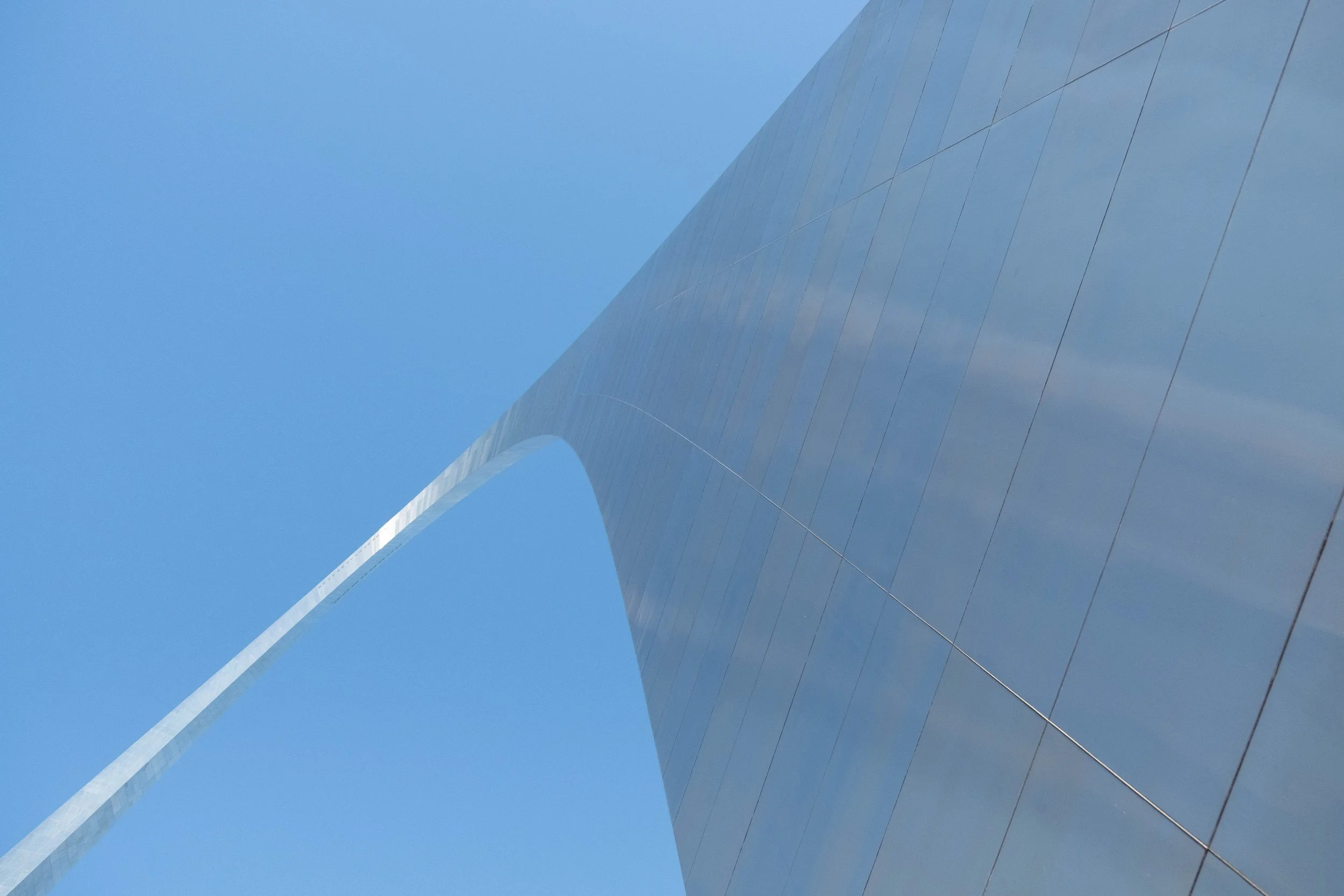
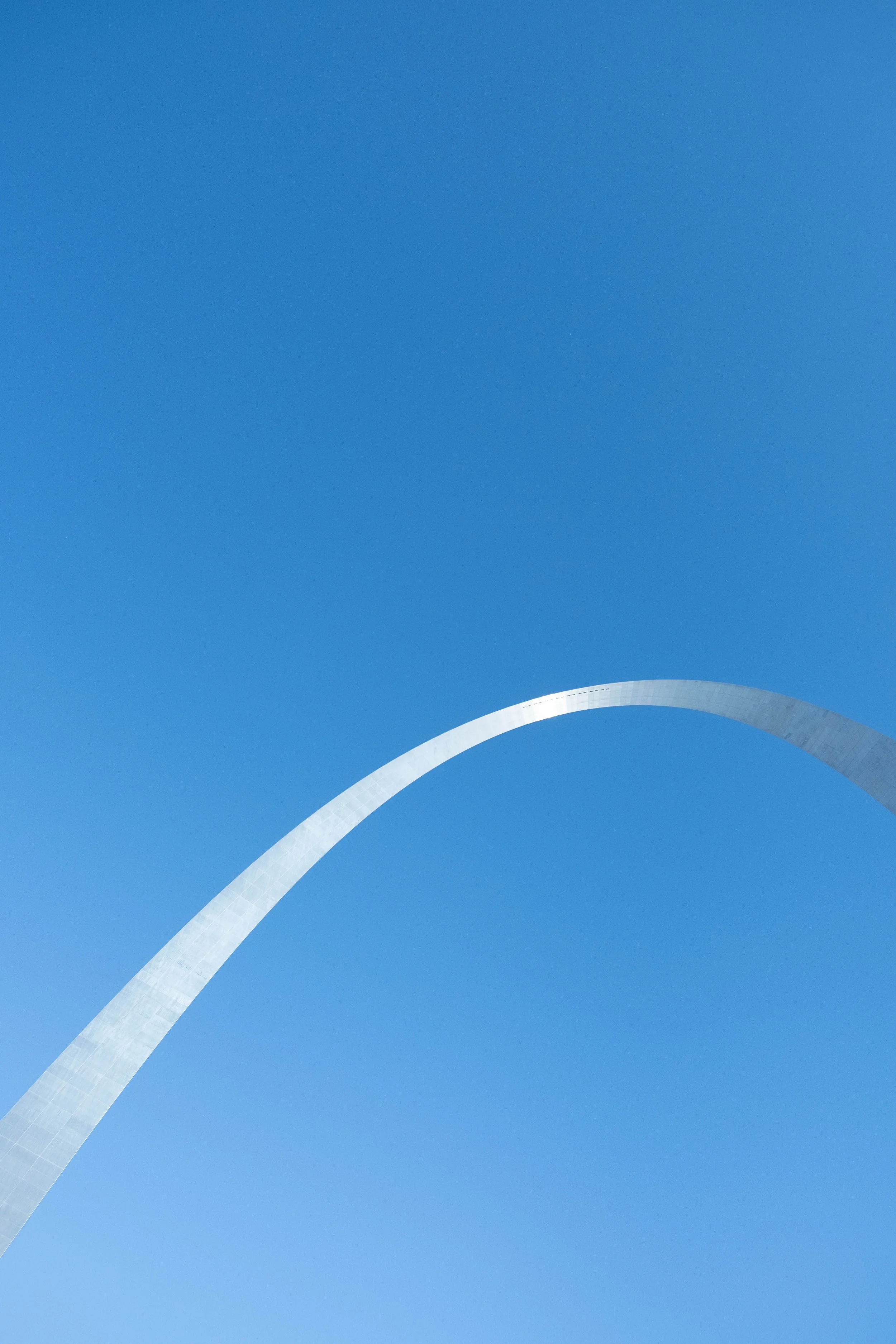
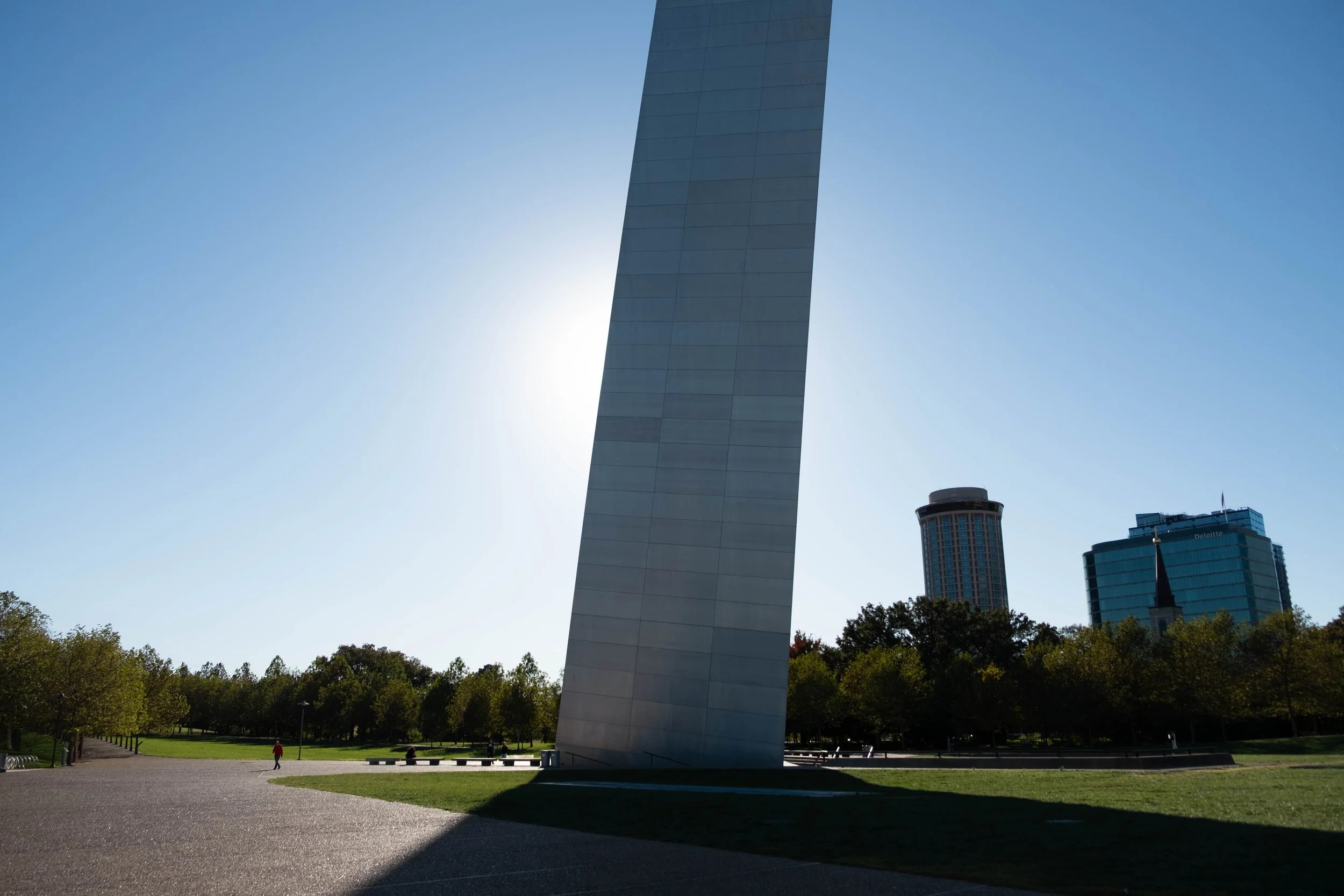
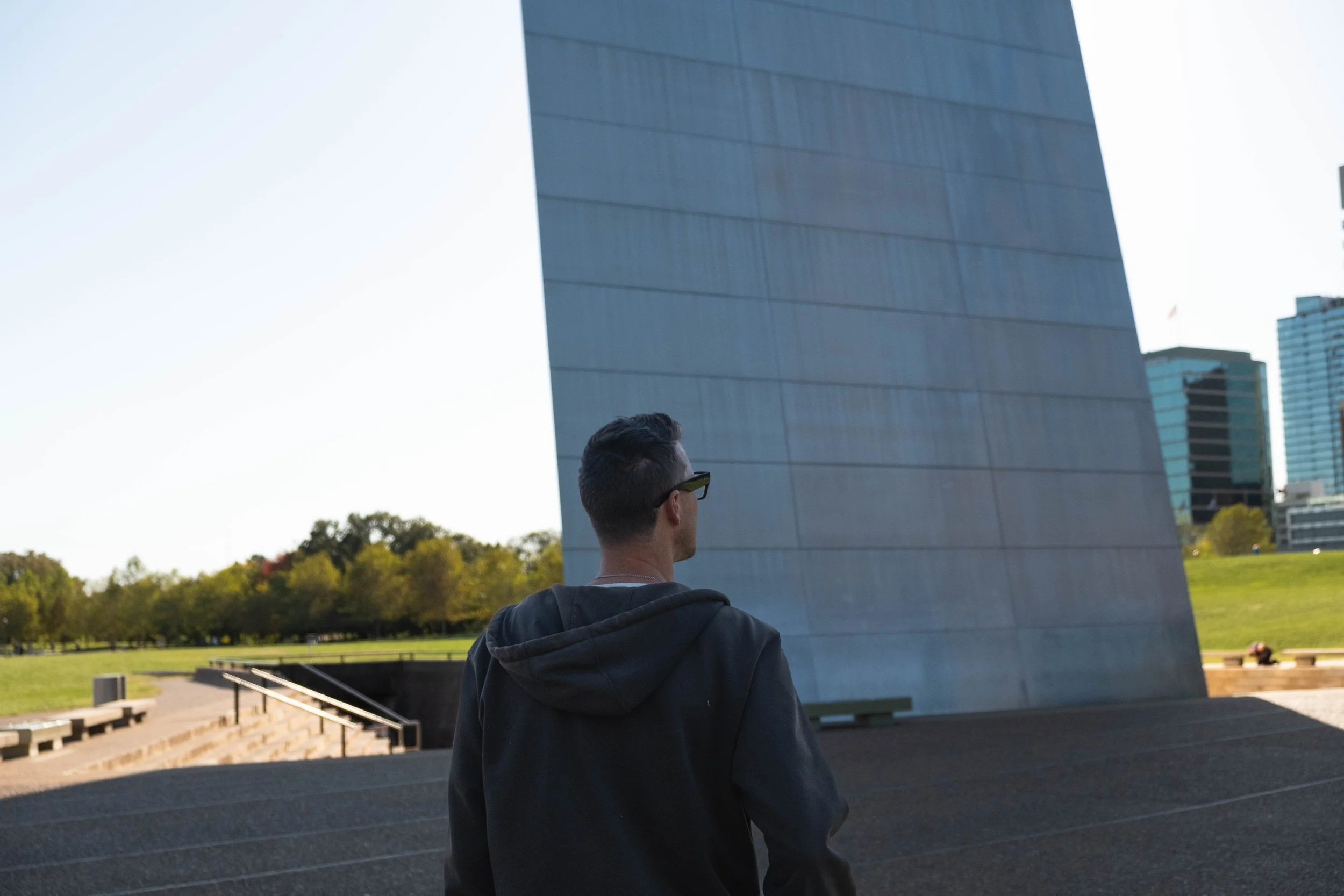
Gateway Arch.
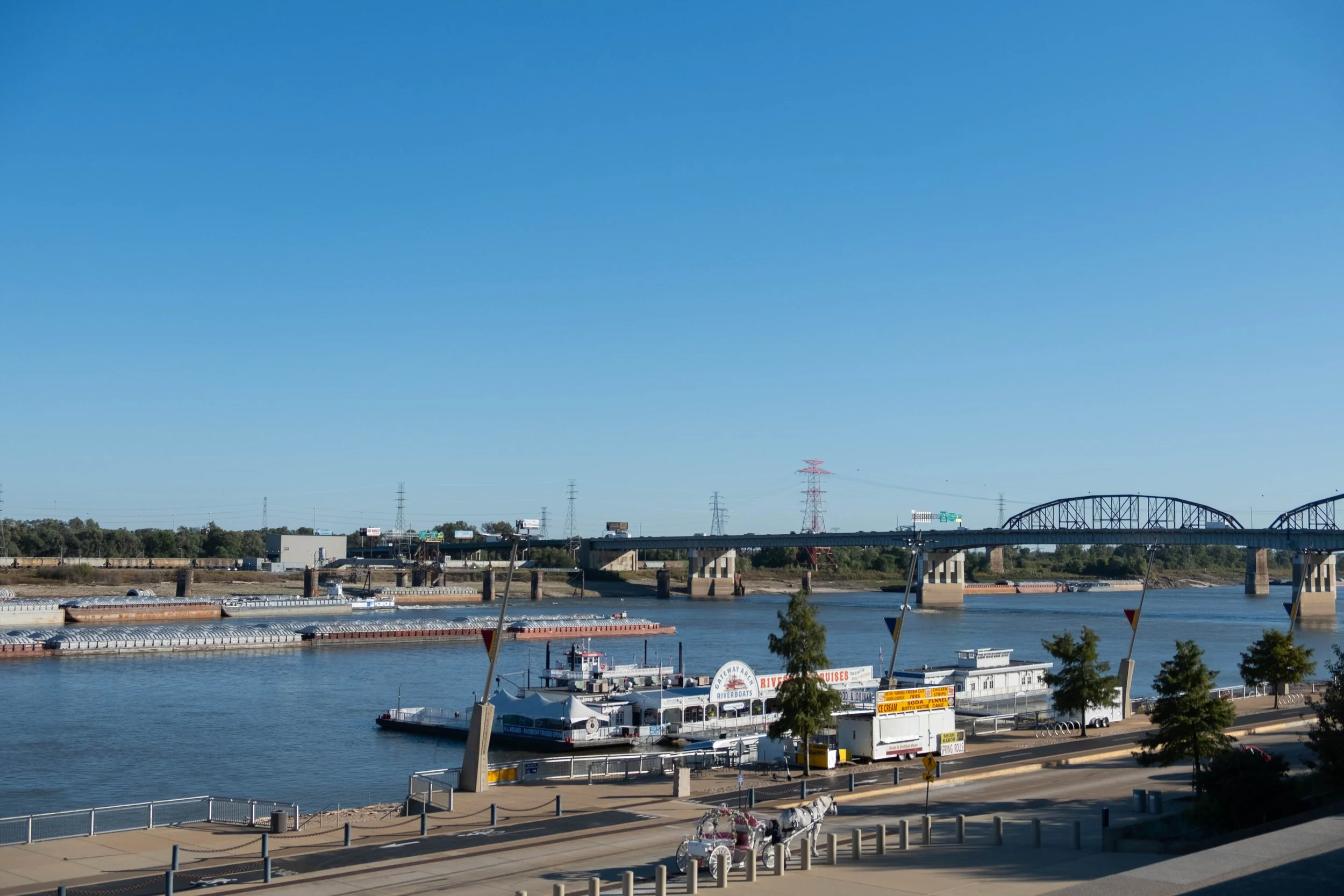
The Mississippi River.
The Old Courthouse, with a statue of Dred and Harriet Scott out front.