Cuyahoga Valley
Park 32 | July 2024
Part + Park 2 (of 2) on our Summer 2024 roadtrip through the Midwest.
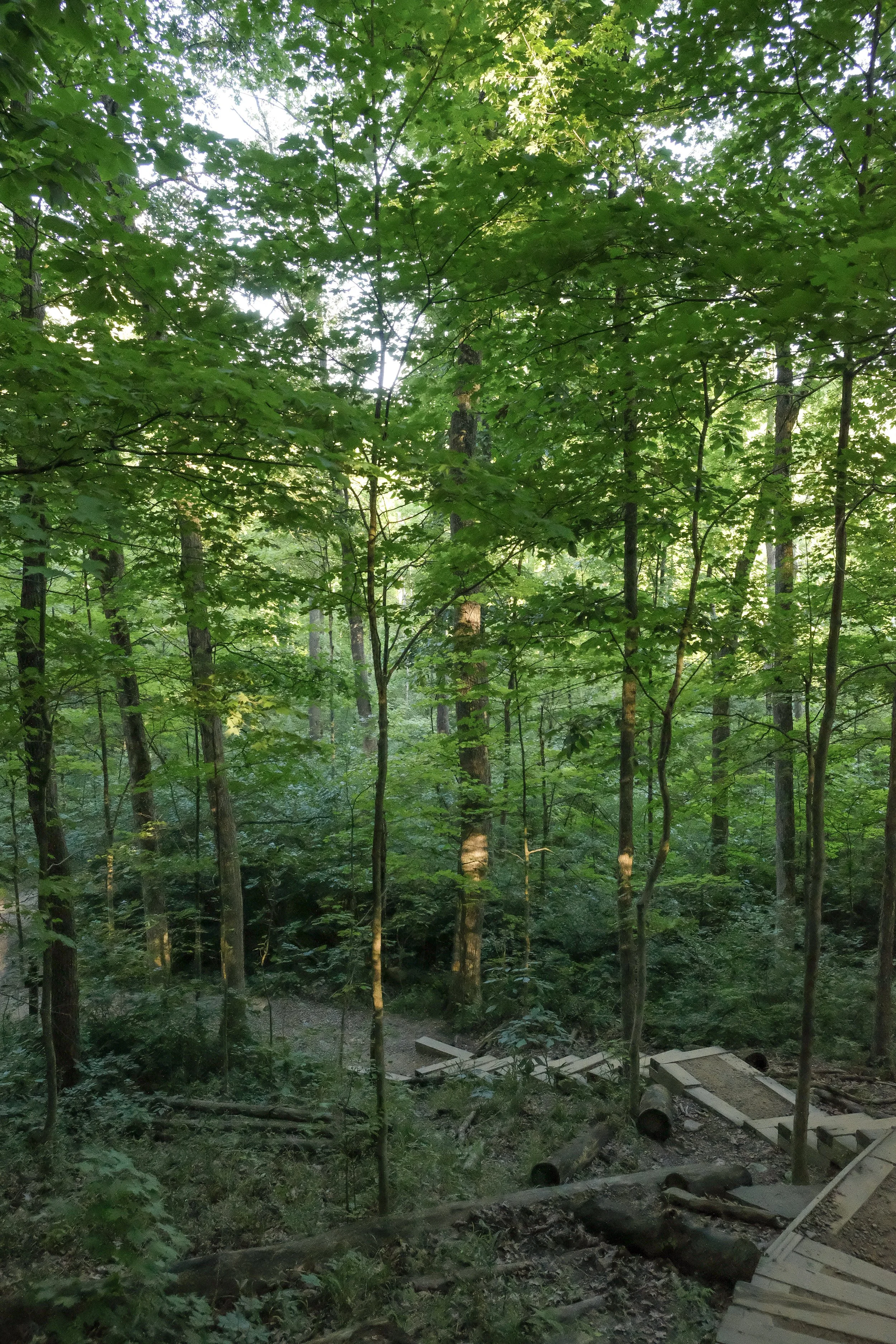
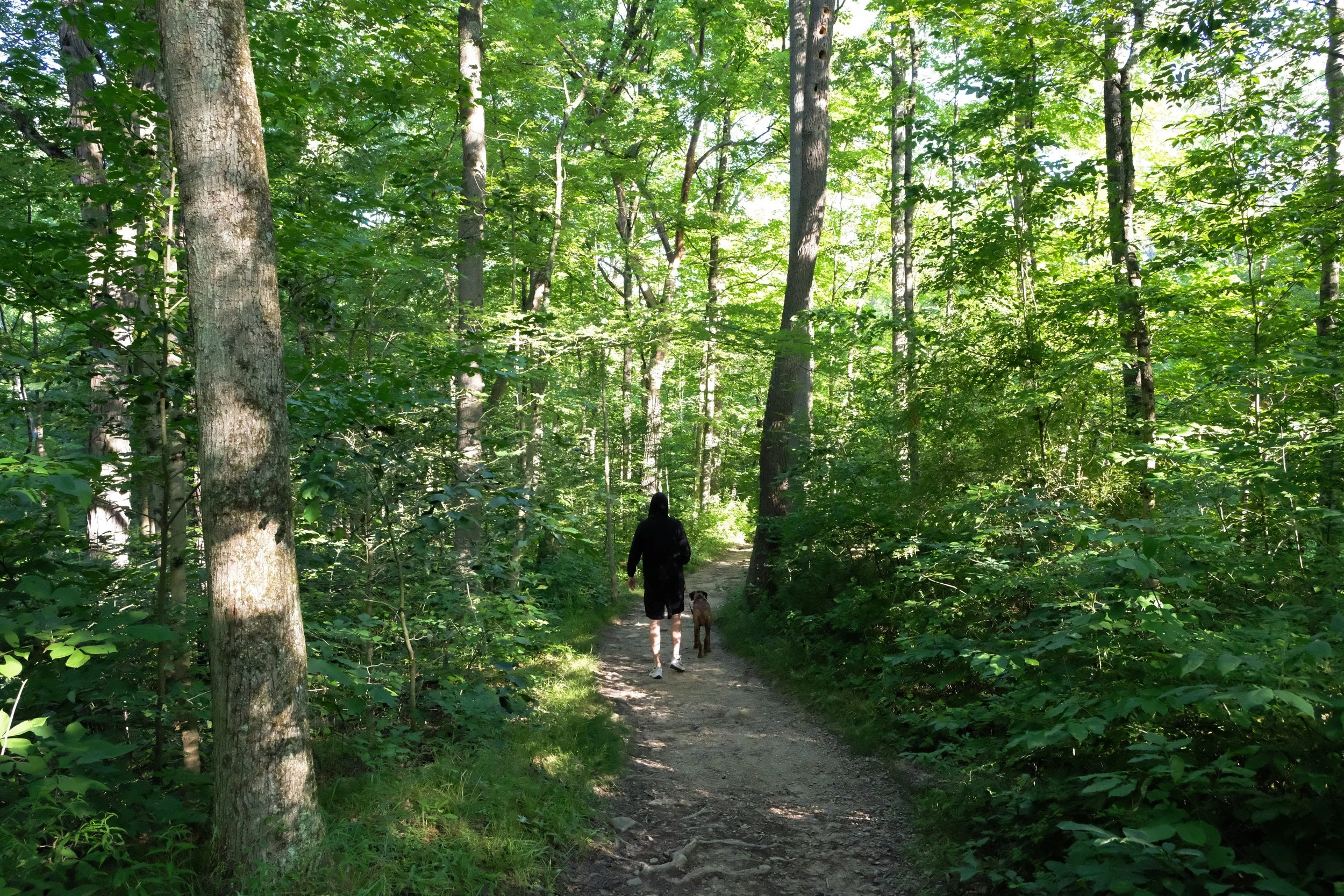
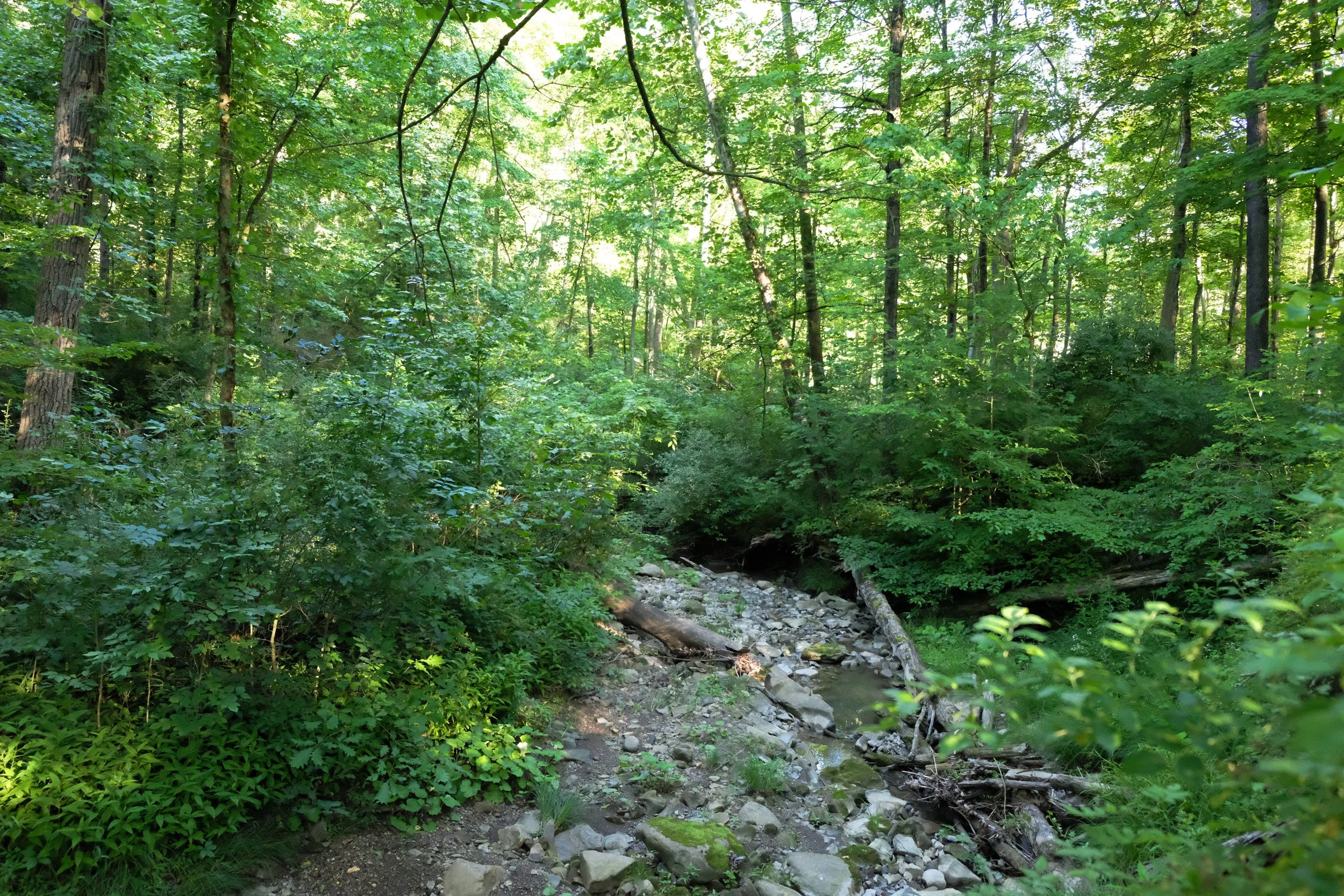
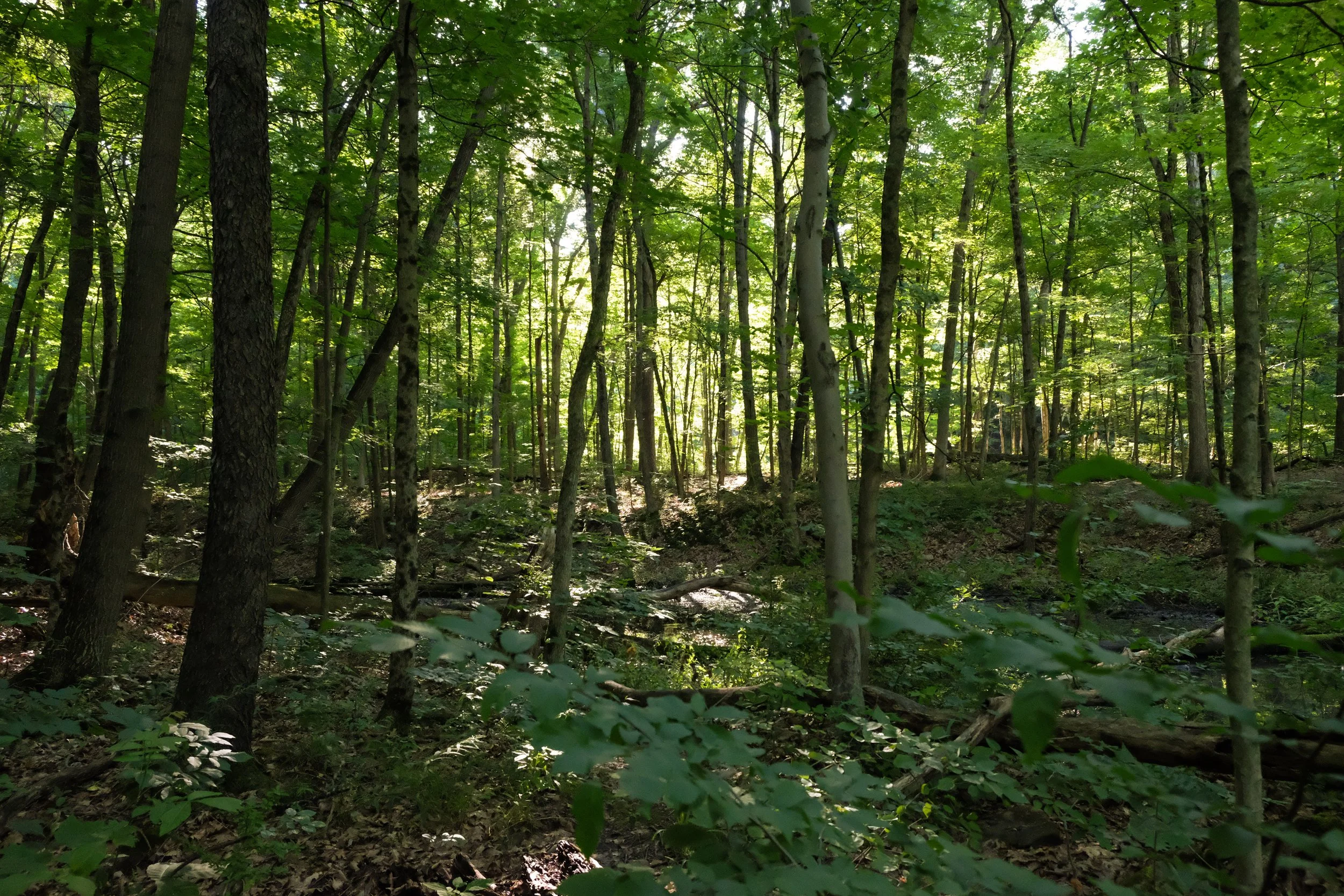
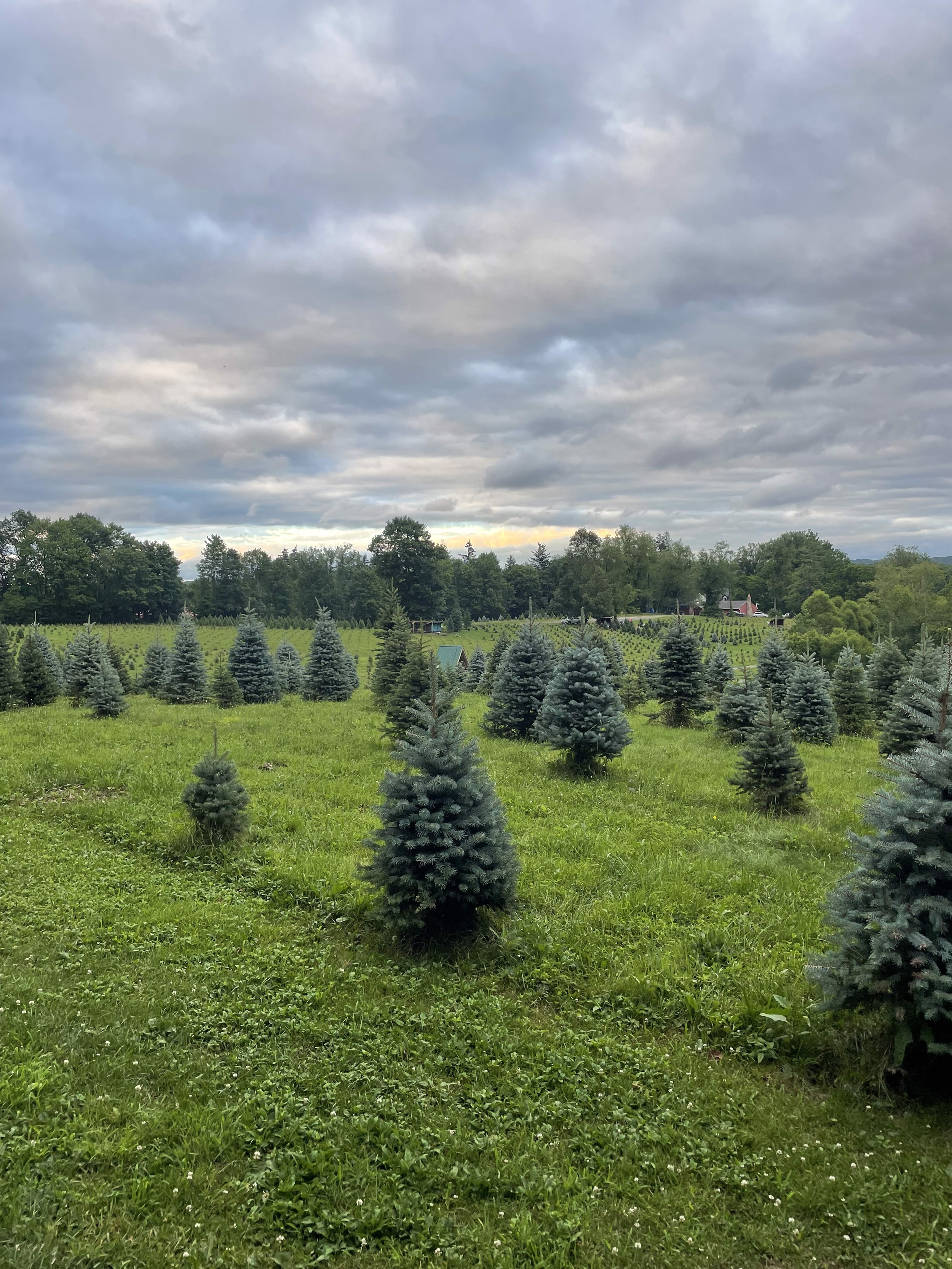
After departing Michigan, we drove south to Cuyahoga Valley National Park. Situated between Cleveland and Akron, this is a quirky park in some ways, with many of the natural areas interspersed with houses and small businesses and no designated camping areas. We had done our research beforehand so had camping reservations on a nearby Christmas tree farm that had (wisely) deduced they could make some additional income by providing well-tended and private campsites in close proximity to the park.
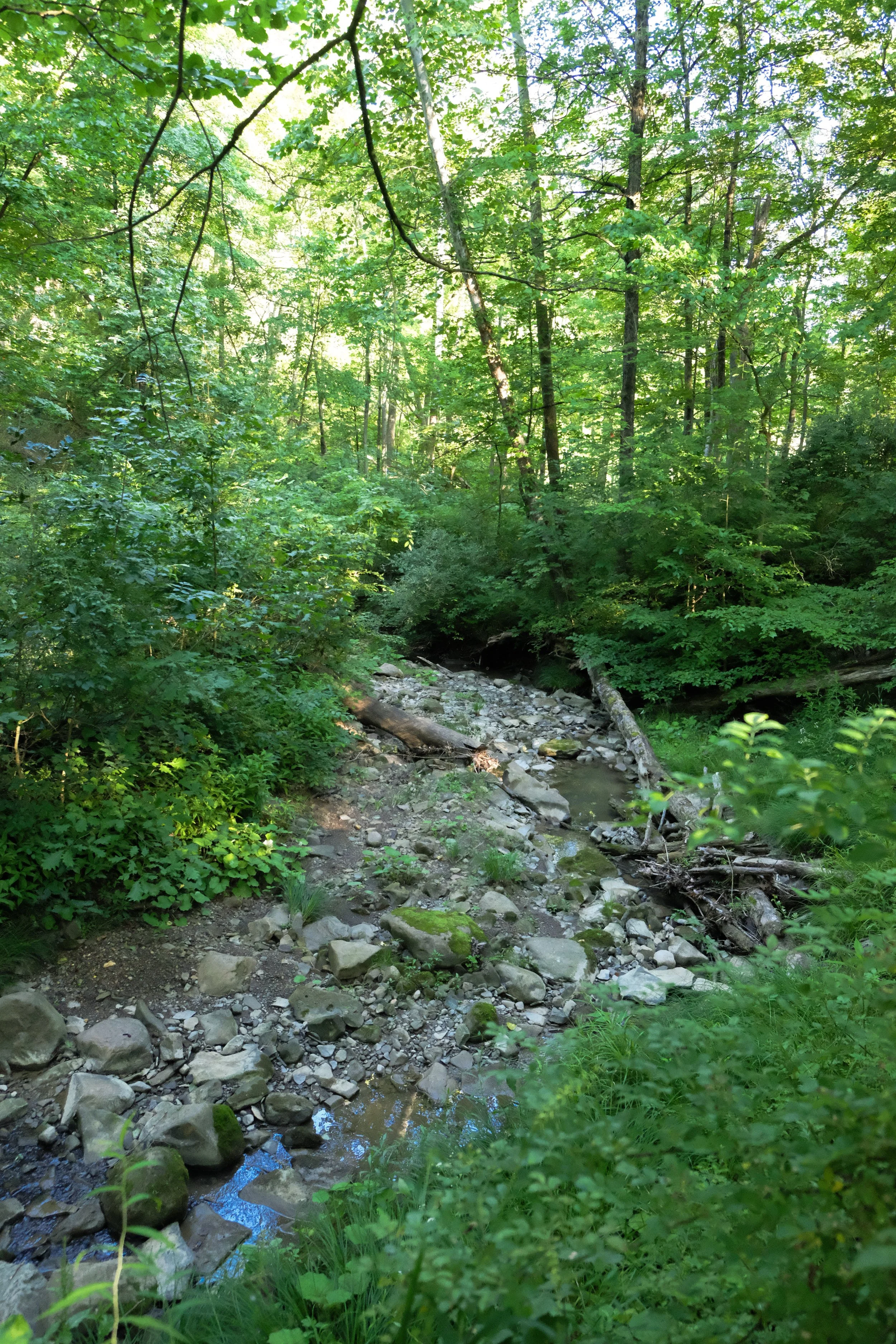
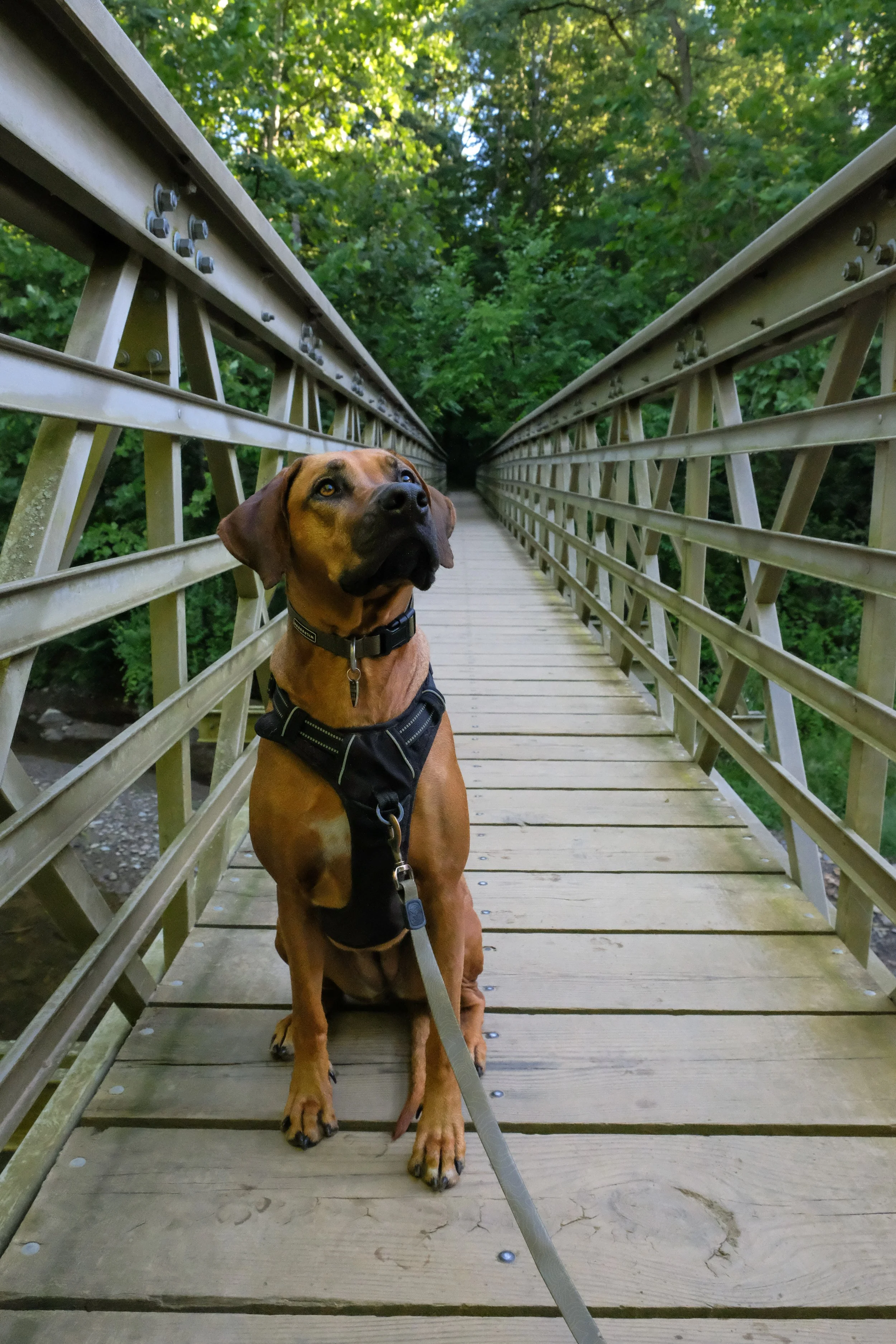
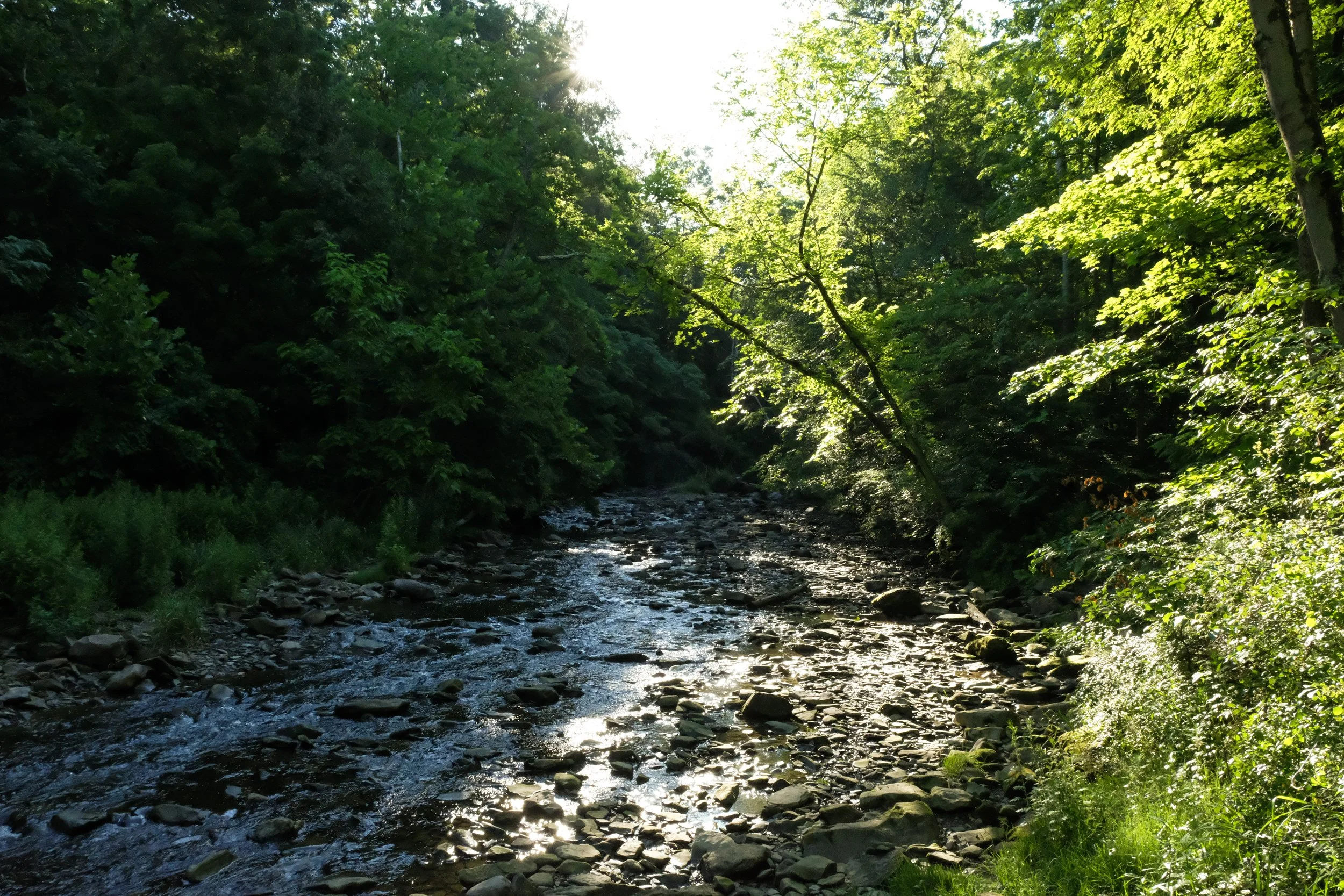
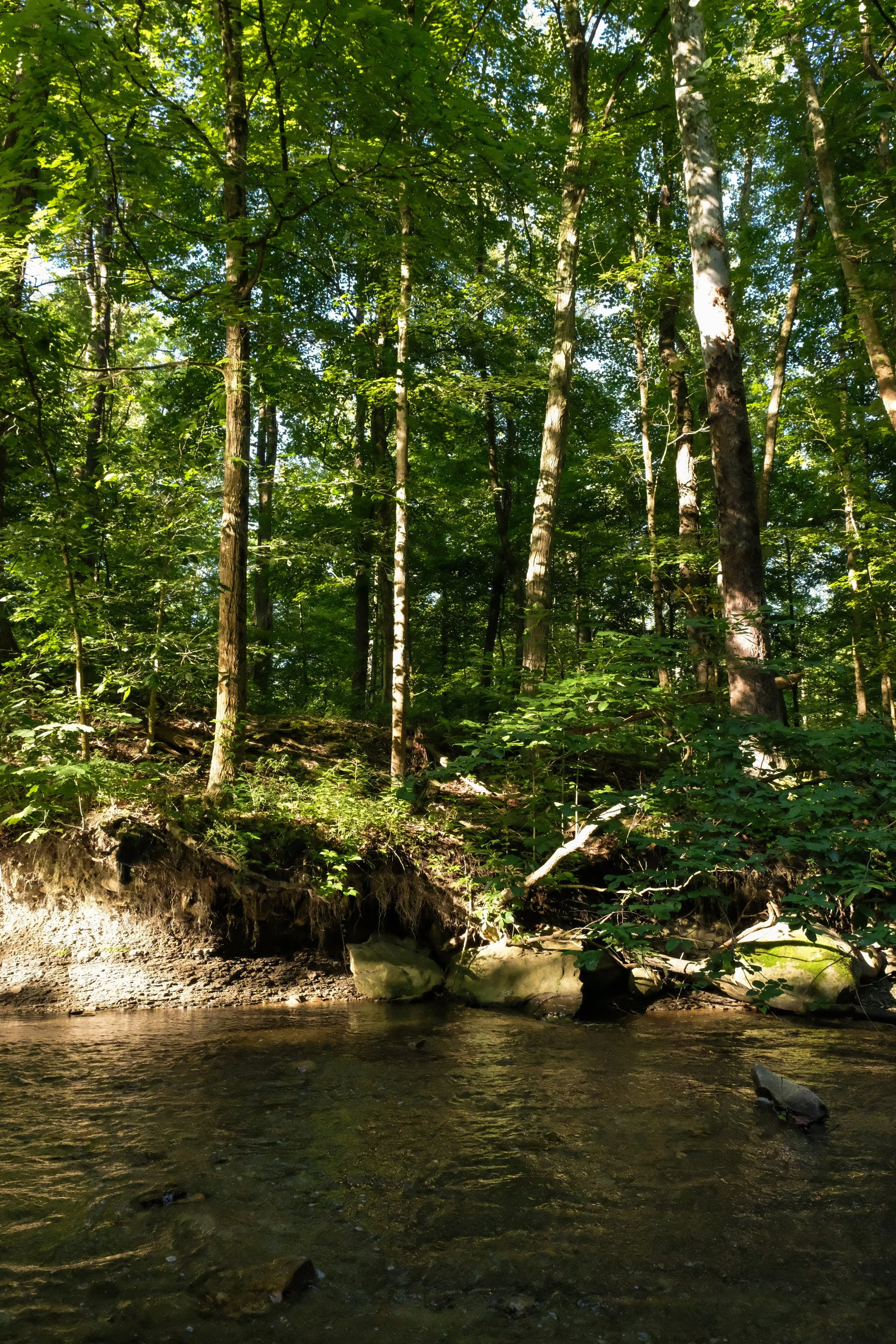
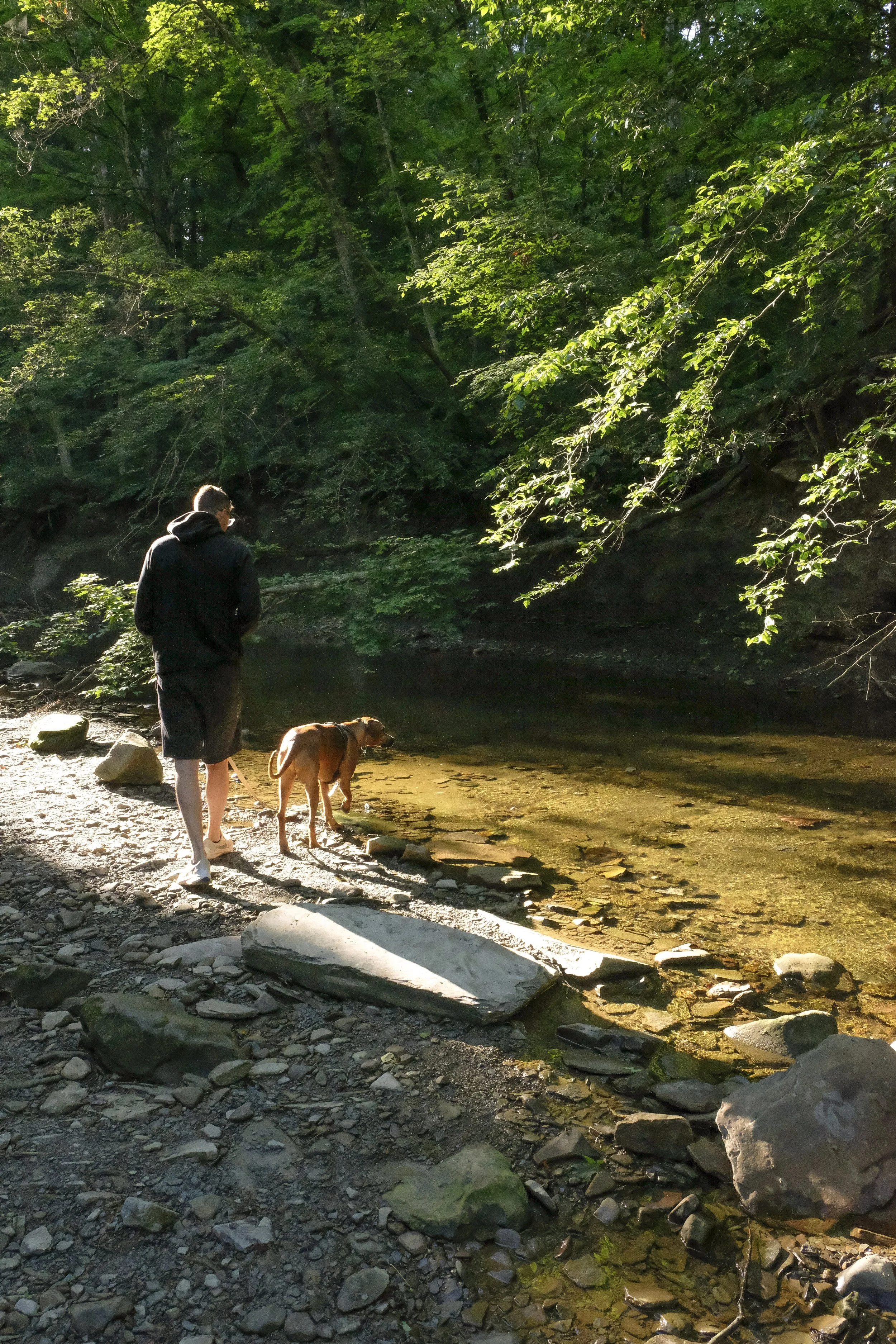
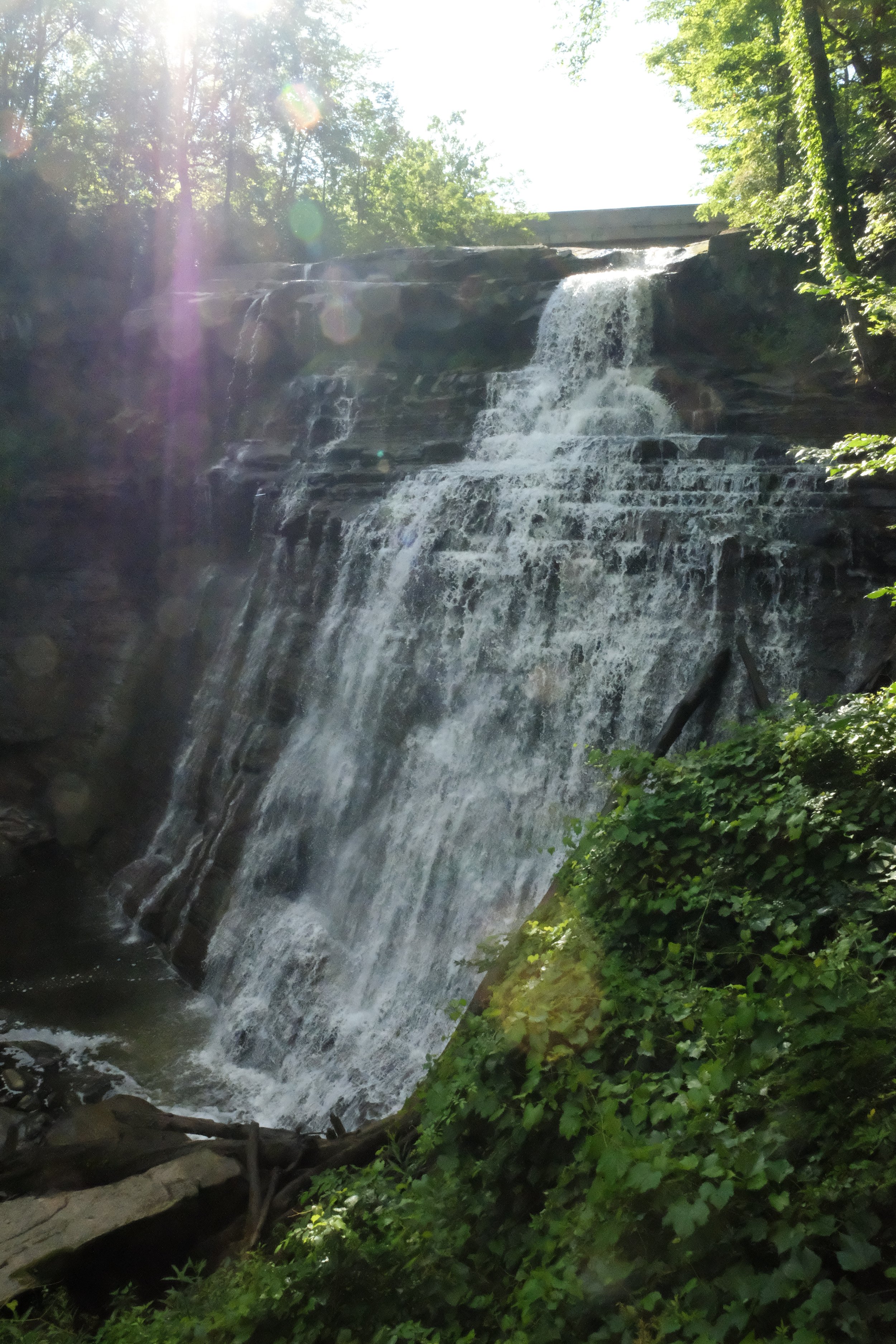
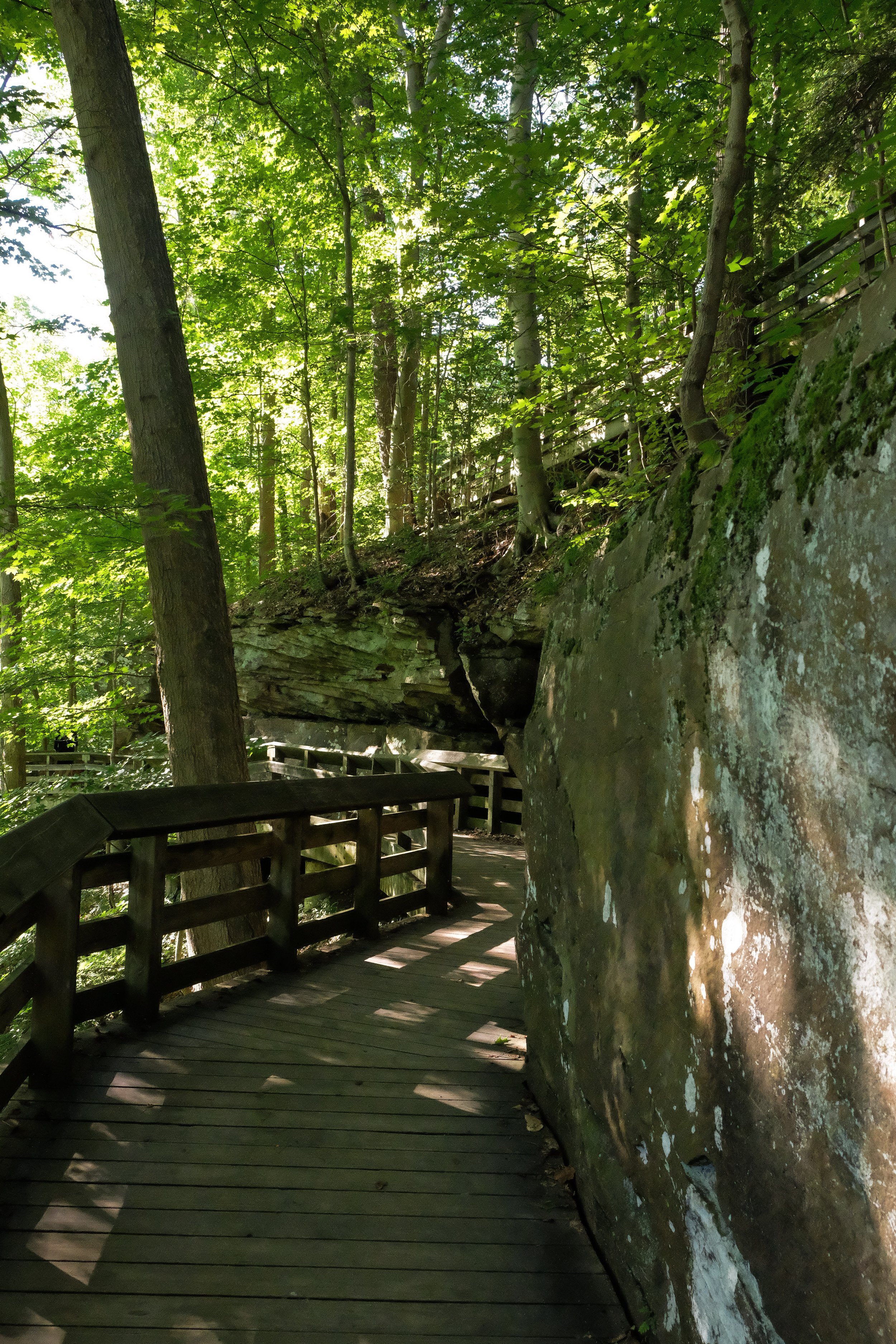
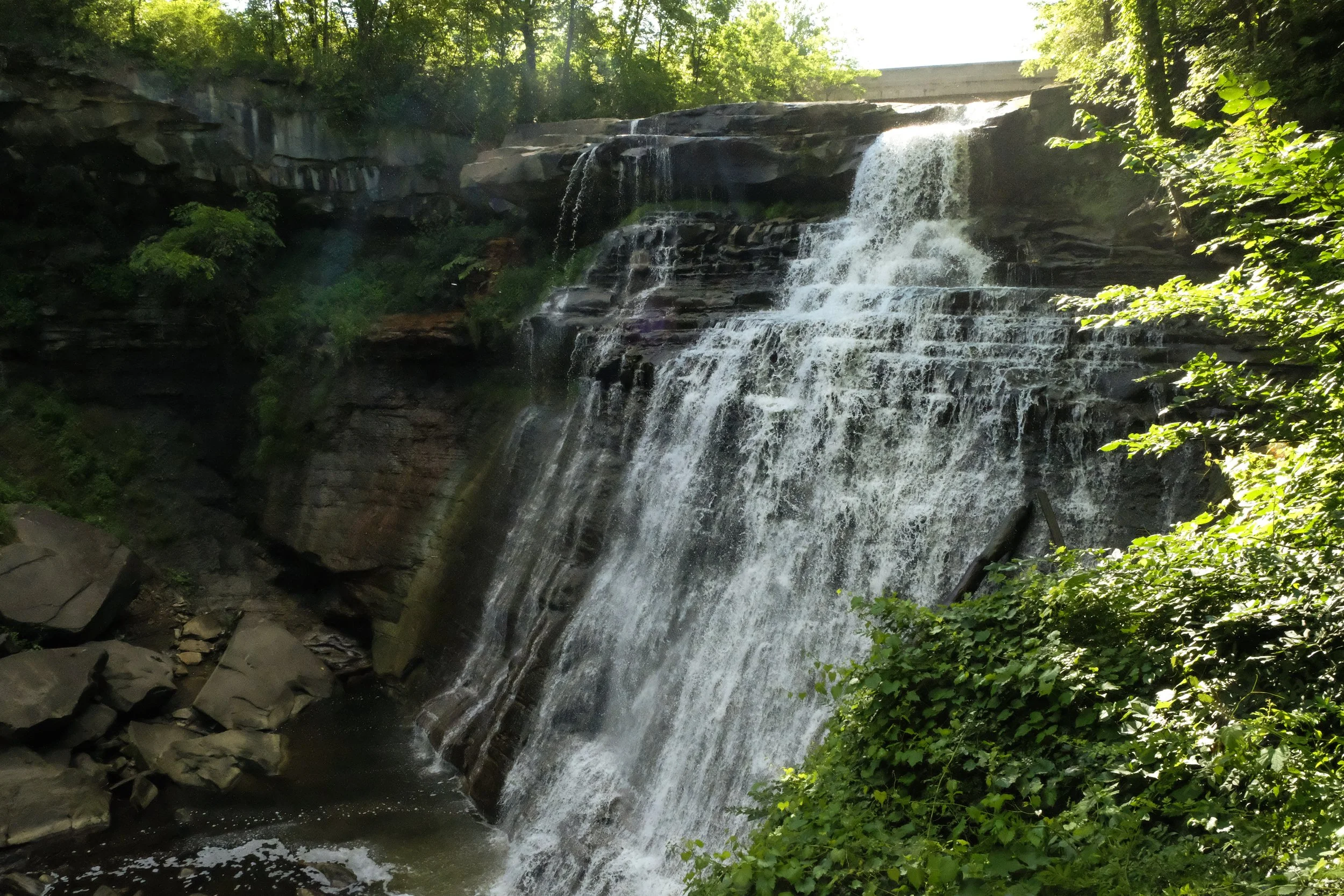
Despite the irregularity of a few of these park features, I found myself genuinely enjoying our time on the trails, in the wetlands, and along the banks of the Cuyahoga River that flows through the heart of this protected area. We hiked the Brandywine Falls loop and visited Beaver Marsh, which has an incredible backstory of reclamation and restoration.
But what really made this park stand out for me is its role in what eventually grew into the modern-day environmental justice movement. The 1969 Cuyahoga River Fire became a symbol of all that was wrong with the environment: Inherently, rivers should not be on fire. This was very effectively elevated by Carl Stokes, the mayor of Cleveland at the time and someone who had long worked to demonstrate that environmental harm most often impacts communities of color and communities of lower wealth first and worst. During an era when landmark environmental wins were being won on the policy front, usually by white and/or affluent folks who did not proactively identify the intersection of environmental and social harm, Carl Stokes was unrelenting in his commitment to uplift and bring together policy solutions that would benefit people and the Earth.
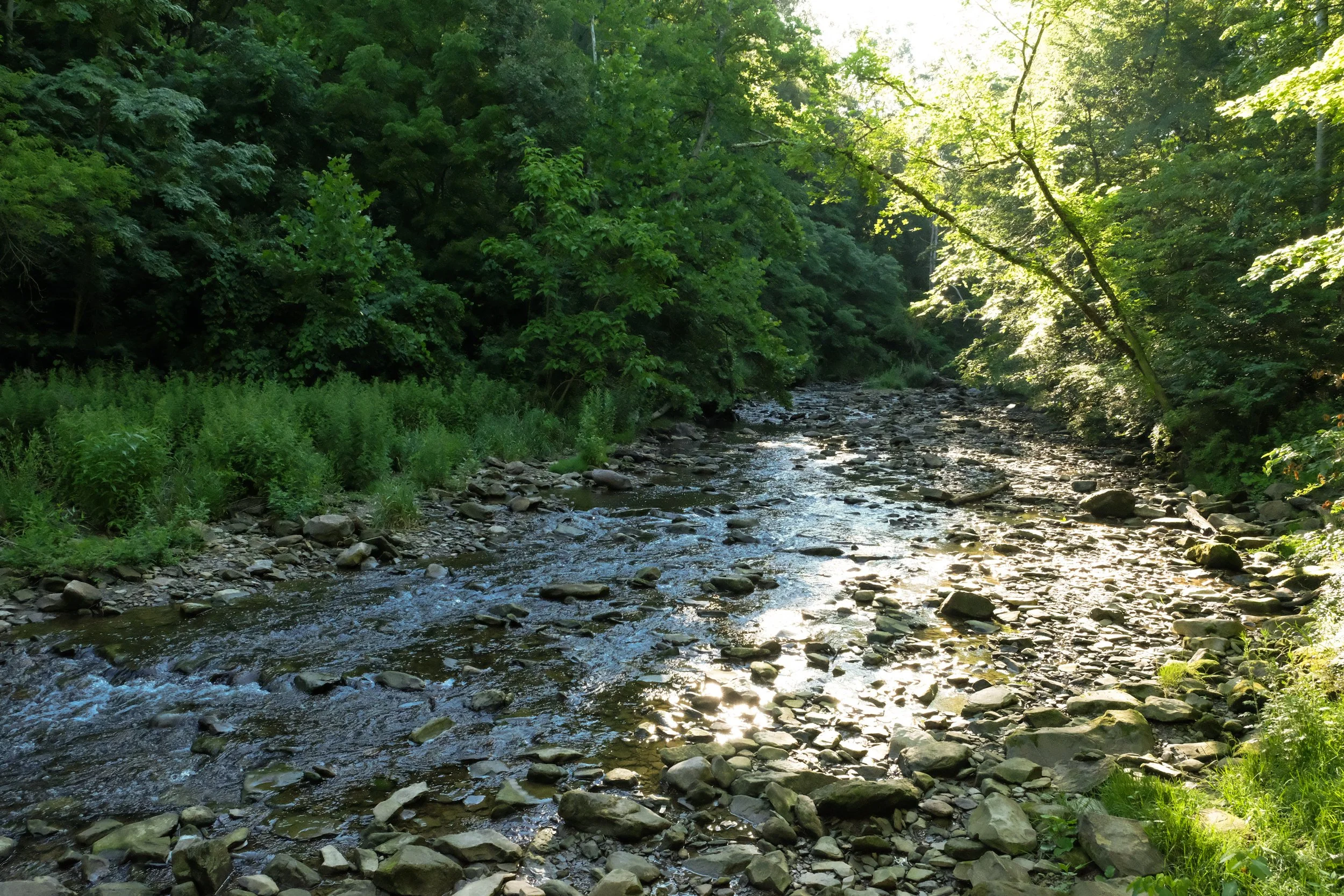
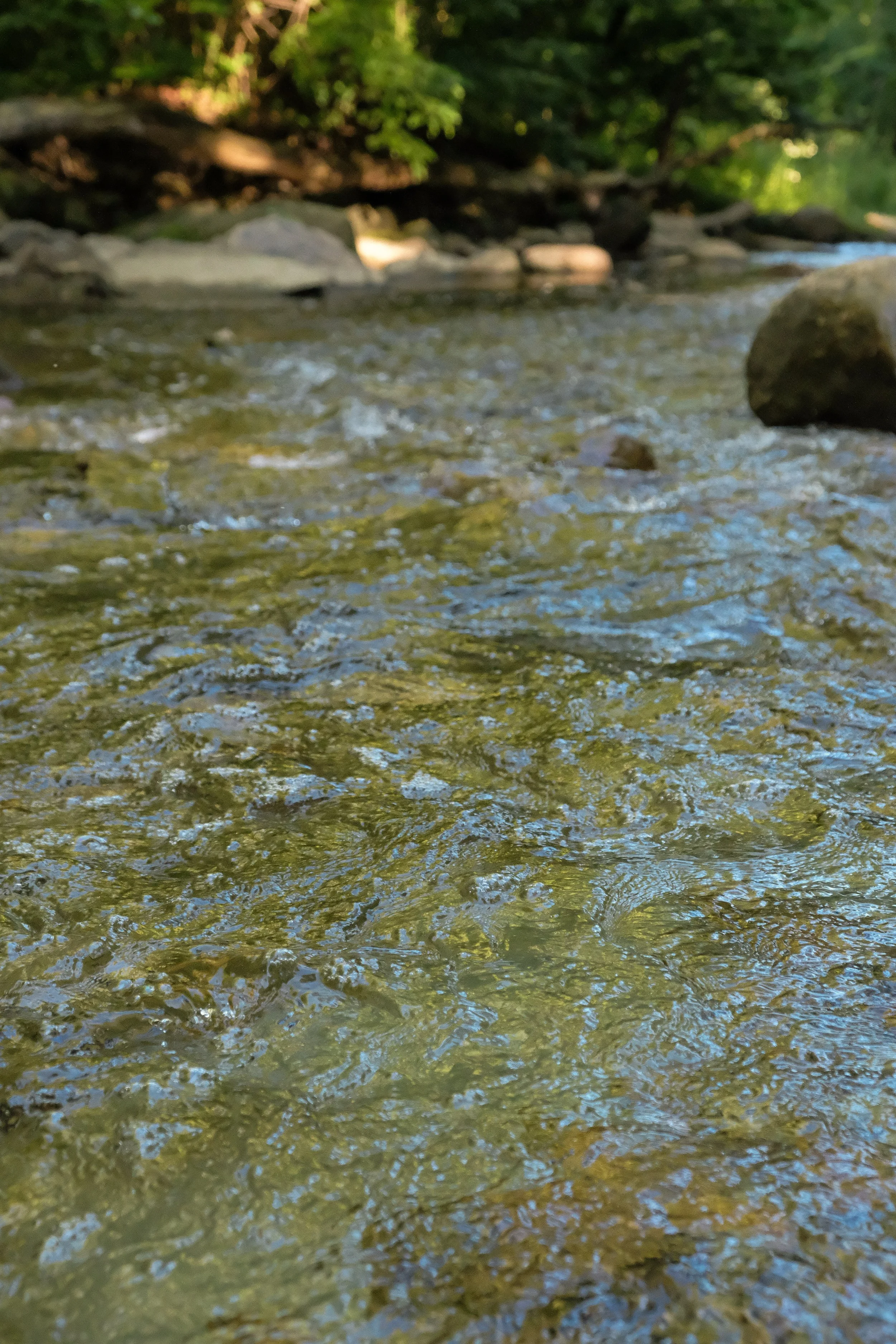
J & I spent a hour in the visitor center, pouring over the maps and plaques and old photos. I was deeply moved by the story of this place. I found myself appreciating the clear, sparkling water of the Cuyahoga River in a different way when we exited the building and walked over the bridge back to our parked car. I paused for a moment to look down at the water, able to pick out fish lazily swimming against the river’s flow. It seemed impossible to imagine this river on fire; yet it had been, a mere 55 years earlier.
Between that and the inspiring history of the Beaver Marsh, I left CVNP with a spark of possibility, perhaps even hope. Nature can restore herself, and remarkably quickly, if we give her that chance. Rivers can run clear again. Junkyards can become thriving marshes. Humans and creatures can breathe clean air. With the right mixture of agitation, strategic messaging, policy expertise, and a vision for a better future, communities can become activated and change really can happen.
Wins feel hard to come by these days. I am thankful for the moments I was able to spend next to this now healthy river which has become a symbol once again: But this time, instead of typifying ecological dysfunction, it now flows as a living being through the heart of Ohio, a shimmering beacon to remind souls like mine of the enduring power of collective action.